 Home and Gardening Ideas At home and Gardening ideas we believe inspiring readers about homesteading, self sufficiency
12 Old-Fashioned Garden Tricks That Still Work Better Than Modern Hacks
Some of the best garden tips are the ones our grandparents never stopped using. Long before fancy sprays, expensive feeds, and viral “garden hacks,” people grew beautiful flowers, full vegetable beds, and healthy fruit bushes with simple, practical methods.
And the funny thing is, many of those old-fashioned tricks still work brilliantly today.
They are cheap, natural, easy to do, and often better for the soil than modern shortcuts. It is the same kind of practical wisdom behind many old wives’ tales that turned out to be true Sometimes the old ways stick around because they actually work.
So before you spend money on the latest garden gadget, try a few of these time-tested ideas first. 🌱
1. Save Rainwater For Your Plants
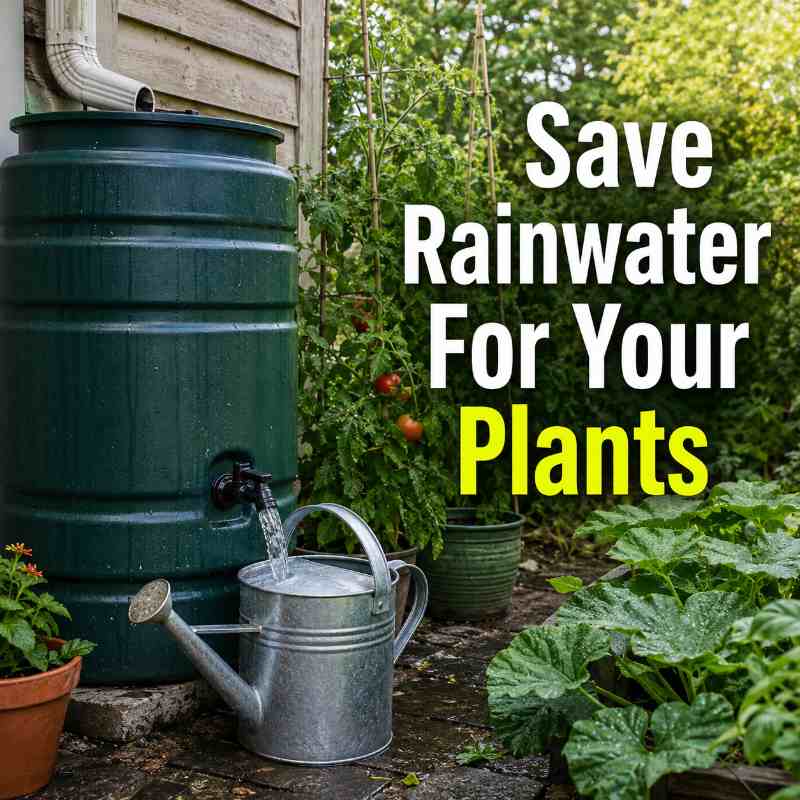
One of the oldest garden habits is also one of the best: collect rainwater.
Rainwater is soft, natural, and free. It does not contain the same levels of treatment chemicals that tap water can have, and many plants seem to love it, especially seedlings, houseplants, and container plants.
A simple water butt, barrel, or even a few buckets under a downpipe can make a big difference during dry spells.
Tip: Use rainwater on tomatoes, peppers, herbs, and potted plants for a more natural watering routine.
2. Use Eggshells In The Compost
Grandparents wasted very little, and eggshells were never just thrown away.
Crushed eggshells break down slowly and add minerals back into the compost. They are especially useful when mixed into a compost heap rather than sprinkled thickly on top of soil.
Rinse them, let them dry, crush them up, and toss them into your compost bin.
Best used for: Compost heaps, worm bins, and soil improvement over time.
3. Mulch With Straw, Leaves, Or Grass Clippings
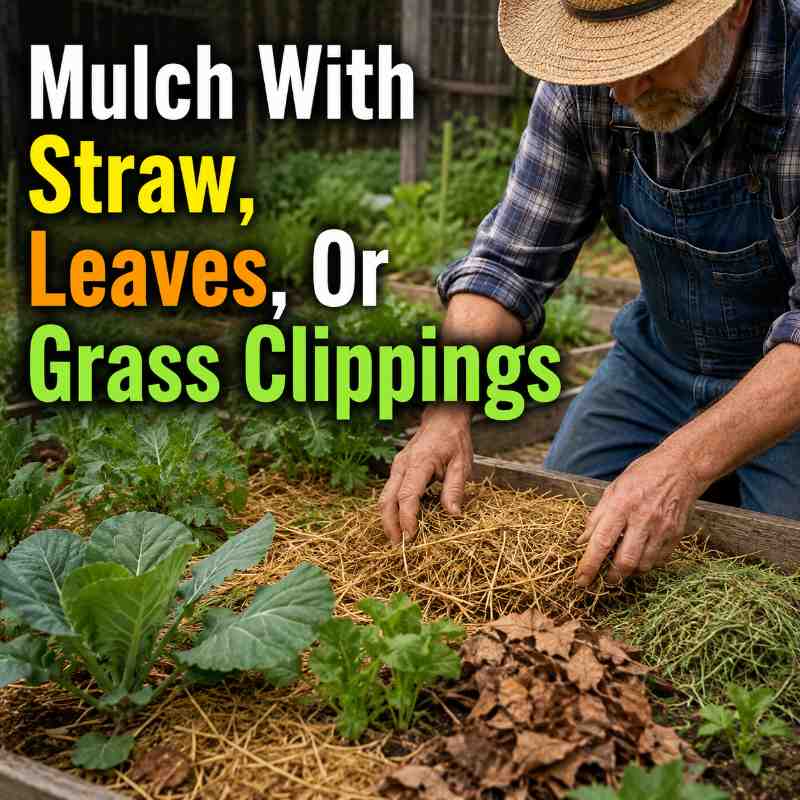
Before people bought bags of decorative mulch, they used what they already had.
Straw, fallen leaves, and dried grass clippings are brilliant for covering bare soil. Mulch helps keep moisture in, protects plant roots, suppresses weeds, and slowly feeds the soil as it breaks down.
Just avoid piling fresh grass clippings too thickly, as they can turn slimy. A thin layer works best.
This trick is especially useful around:
- Tomatoes
- Strawberries
- Potatoes
- Courgettes
- Flower borders
4. Plant Marigolds Near Vegetables
Marigolds are one of those classic cottage garden flowers that earn their space.
They look cheerful, attract pollinators, and can help confuse some pests when planted around vegetable beds. They are especially popular near tomatoes, beans, peppers, and brassicas.
This is not magic, but it is a clever old companion planting trick that still makes sense today.
Bonus: Marigolds are easy to grow from seed and bring instant colour to the garden. 🌼
5. Use Newspaper Or Cardboard To Stop Weeds
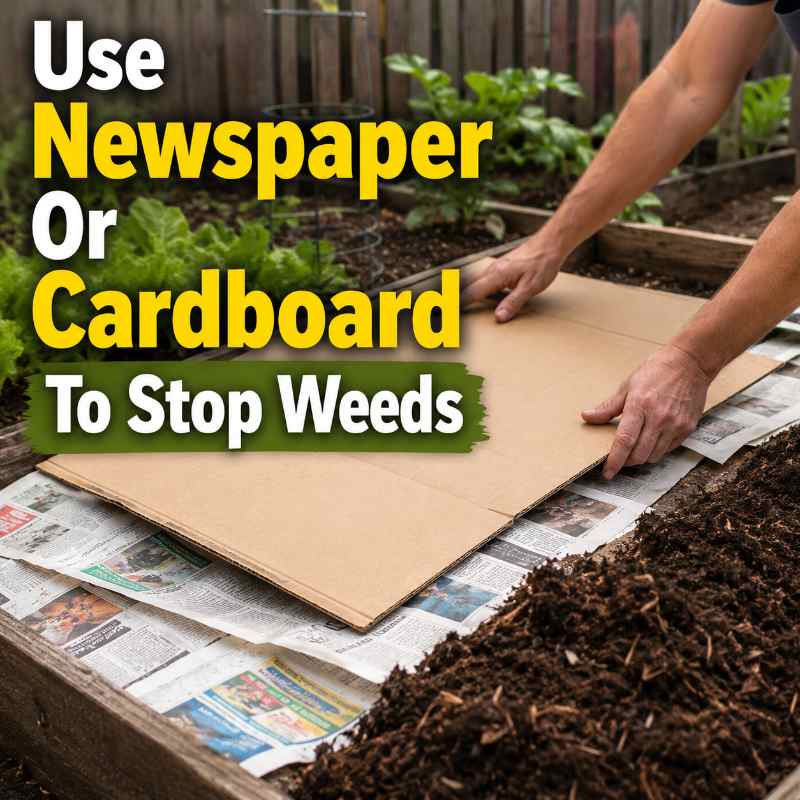
This old-fashioned trick is still one of the best ways to deal with weeds without chemicals.
Lay newspaper or plain cardboard over weedy ground, wet it down, then cover it with compost, straw, bark, or leaves. Over time, the weeds are smothered and the cardboard breaks down into the soil.
It is perfect for starting new beds, clearing paths, or preparing a no-dig garden area.
Important: Remove tape, glossy printing, plastic labels, and staples first.
6. Hand-Pick Pests Early In The Morning
It might not sound glamorous, but it works.
Before sprays became the first answer, gardeners simply checked their plants. Slugs, caterpillars, beetles, and damaged leaves are much easier to deal with early, before the problem spreads.
A quick morning walk around the garden can save an entire crop.
Look under leaves, around the base of plants, and near young seedlings. Drop pests into a bucket of soapy water or move them far away from your growing beds.
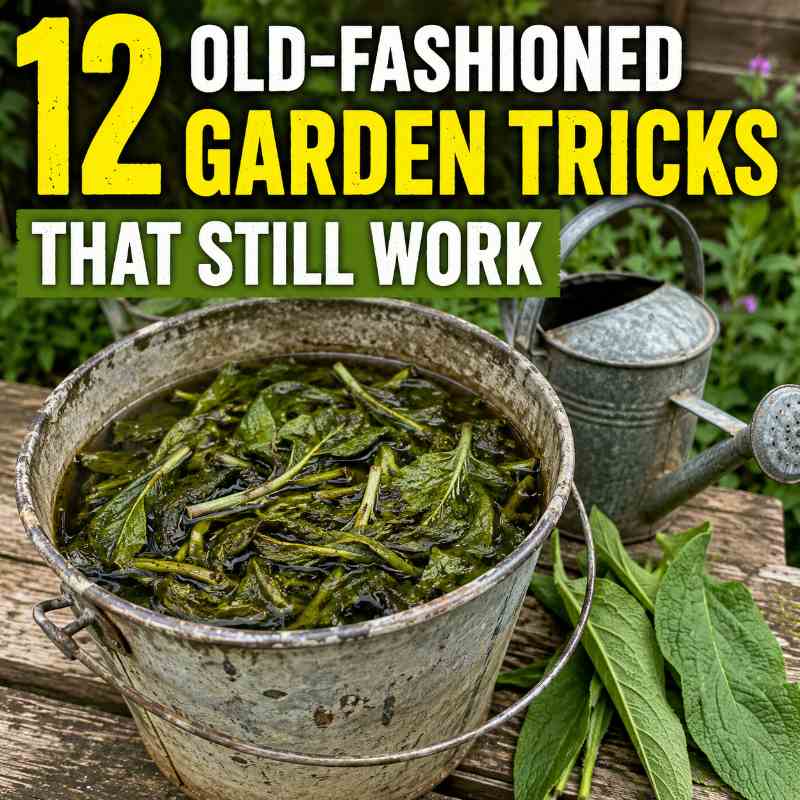
7. Feed Plants With Comfrey Tea
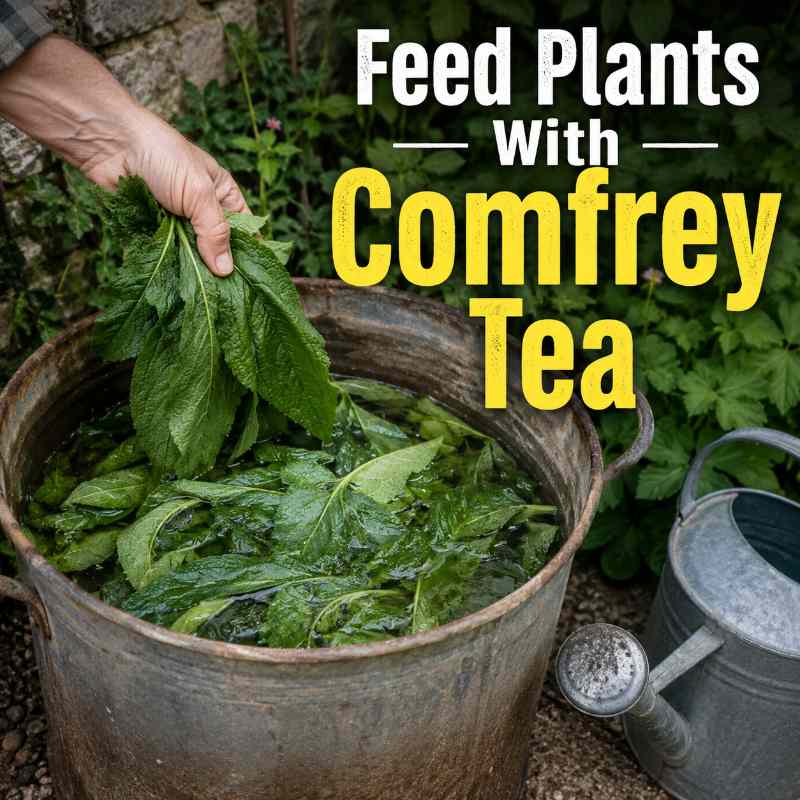
Comfrey has been used by gardeners for generations because it makes a strong natural plant feed.
The leaves are rich in nutrients and can be soaked in water to make a liquid feed for hungry plants. It is especially useful for tomatoes, courgettes, pumpkins, peppers, and fruiting plants.
How to do it:
- Fill a bucket with comfrey leaves
- Cover with water
- Leave for a few weeks
- Dilute before using on plants
Warning: It smells awful, but gardeners have put up with worse for a good harvest. 😂
8. Harden Off Seedlings Properly
This is one of those simple old tricks many modern gardeners skip.
Seedlings raised indoors or in a greenhouse need time to adjust before being planted outside. If you move them straight into cold wind, strong sun, or chilly nights, they can sulk, wilt, or die.
Hardening off simply means placing them outside during the day for a few hours, then bringing them back in at night. Do this for about a week before planting them out.
It takes patience, but it gives plants a much better start.
9. Use Wood Ash Carefully In The Garden
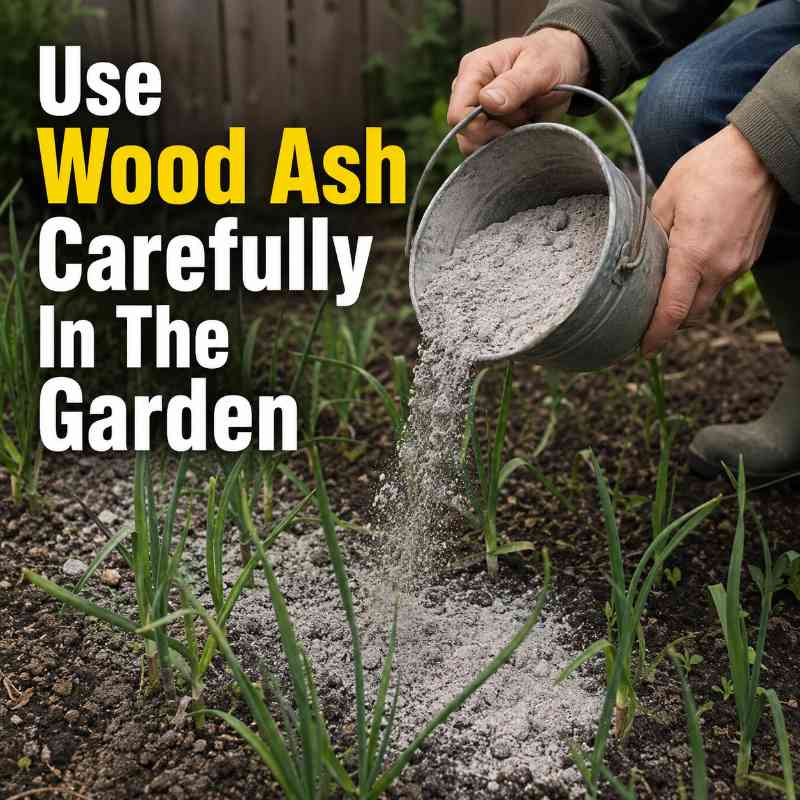
If your grandparents had a fire, they probably knew wood ash had garden value.
Wood ash can add potassium and help raise soil pH, which can benefit some plants. It can be useful around fruit bushes, onions, garlic, and some vegetable beds.
But use it carefully. Too much can make soil too alkaline, and it should never be used around acid-loving plants like blueberries, rhododendrons, or azaleas.
Best rule: A light sprinkle is enough.
10. Grow Herbs Near The Kitchen Door
This old trick is simple, practical, and still one of the best gardening habits.
Keep herbs close to the back door, kitchen window, or patio so you actually use them. Parsley, thyme, mint, chives, rosemary, sage, and basil are much more useful when they are easy to grab while cooking.
It also helps you notice when they need watering, cutting back, or repotting.
Old-fashioned and clever: The best garden is the one that fits real life.
11. Make Leaf Mould From Fallen Leaves
Fallen leaves are not rubbish. They are garden gold.
Leaf mould is made by collecting autumn leaves and letting them rot down slowly. It creates a lovely crumbly material that is brilliant for improving soil, mulching beds, and mixing into compost.
You can make it in bin bags with holes punched in them, a wire cage, or a simple leaf pile in the corner of the garden.
It takes time, but it costs nothing.
12. Water Deeply, Not Little And Often
This is one of the best old-fashioned watering rules.
A quick splash every day often encourages shallow roots. Deep watering encourages roots to grow down into the soil, making plants stronger and more able to cope with dry weather.
Instead of lightly wetting the surface, give plants a proper soak less often.
Best time to water: Early morning or evening, when the sun is not at its strongest.
Why These Old Garden Tricks Still Matter
Modern gardening is full of clever tools, feeds, and shortcuts, but the old ways worked because they were based on observation, patience, and common sense.
Our grandparents knew how to:
- Waste less
- Feed the soil
- Watch the weather
- Reuse what they had
- Grow with the seasons
- Solve problems before they got worse
That is why so many of these tricks are still worth using today.
Final Thoughts
You do not need a shed full of expensive products to grow a good garden. Sometimes the best advice is the kind that has been passed down for decades.
Collect the rainwater. Save the leaves. Check your plants. Feed the soil. Use what you already have.
Old-fashioned gardening is not outdated. It is often the simplest, cheapest, and most reliable way to grow. 🌿