 Home and Gardening Ideas At home and Gardening ideas we believe inspiring readers about homesteading, self sufficiency
8 Essential Oils That Repel Insects Naturally

If there is one thing that can ruin a peaceful evening in the garden, it is insects. Mosquitoes buzzing around your ears, flies landing on your food, ants finding their way inside, and moths sneaking into cupboards can quickly become annoying.
The good news is you do not always need harsh sprays or chemical-filled products to keep bugs away. Many essential oils have strong natural scents that insects dislike. They can be used in homemade sprays, diffusers, candles, cleaning mixes, and garden-friendly pest control ideas.
Here are 8 essential oils that may help repel insects naturally, plus simple ways to use them safely around your home and garden.
1. Peppermint Essential Oil
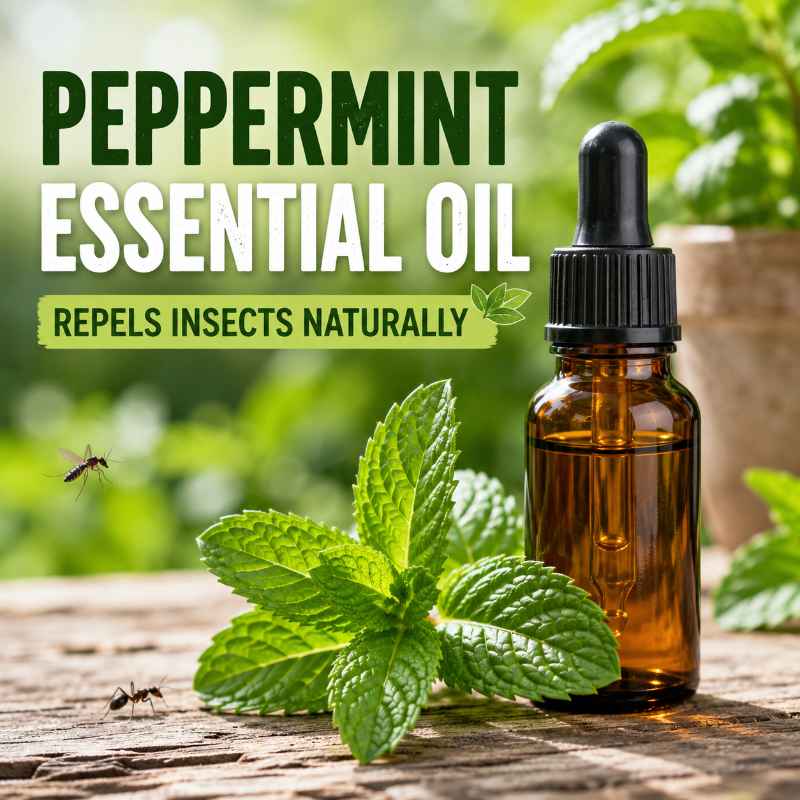
Peppermint oil has a strong, fresh scent that many insects seem to avoid. It is especially popular for helping deter ants, spiders, mosquitoes, flies, and even mice.
The powerful menthol smell can overwhelm the scent trails that ants use to find food, which makes peppermint a great choice around doorways, windowsills, bin areas, and kitchen corners.
How to use peppermint oil:
Mix 10 to 15 drops of peppermint essential oil with water in a spray bottle. Shake well before each use and spray around entry points, skirting boards, patios, and outdoor seating areas.
You can also add a few drops to cotton balls and place them near windows, cupboards, sheds, or anywhere pests seem to appear.
2. Lavender Essential Oil
Lavender is one of the most loved essential oils because it smells calming to people, but many insects do not seem to enjoy it. It is often used to help repel mosquitoes, moths, fleas, flies, and gnats.
Lavender is especially useful in wardrobes and linen cupboards because it can help keep moths away while leaving clothes and bedding smelling fresh.
How to use lavender oil:
Add a few drops to small fabric sachets and place them in drawers, wardrobes, or storage boxes.
For outdoor use, mix lavender oil with water and a small amount of witch hazel or alcohol to make a simple garden seating spray. Spray around cushions, blankets, and outdoor fabrics rather than directly on skin unless properly diluted with a carrier oil.
3. Lemongrass Essential Oil
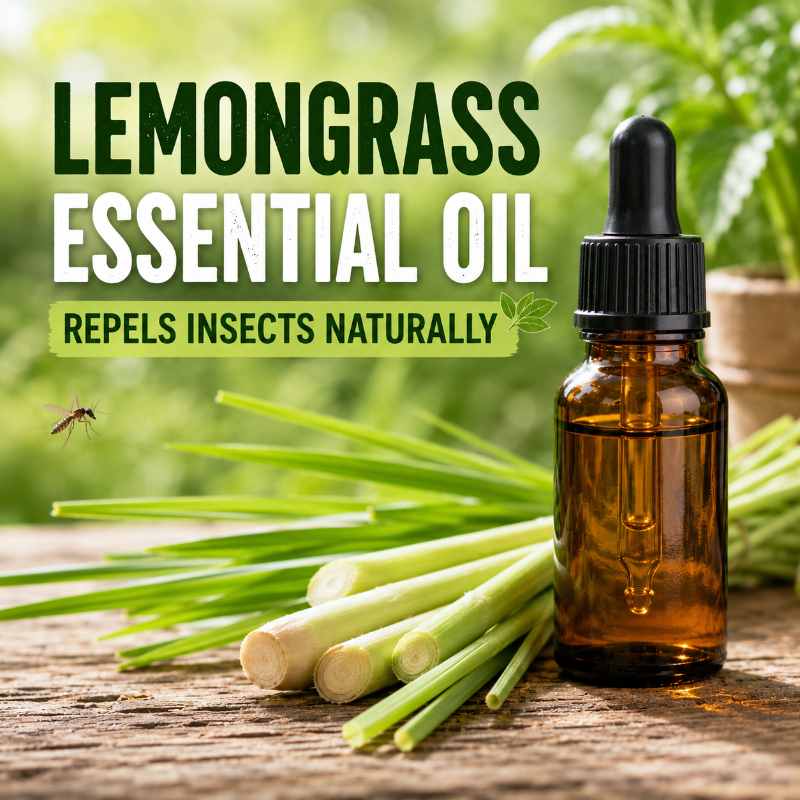
Lemongrass oil has a bright citrus scent and is often used in natural insect repellent recipes. It contains compounds that insects dislike, making it a popular choice for mosquitoes and flies.
It also smells clean and refreshing, which makes it useful for patios, kitchens, bins, and outdoor eating areas.
How to use lemongrass oil:
Add 10 drops of lemongrass essential oil to a spray bottle with water and a splash of witch hazel. Shake well and spray around outdoor seating areas, garden tables, doorways, and window frames.
You can also use lemongrass in a diffuser on a patio table during summer evenings.
4. Citronella Essential Oil
Citronella is probably one of the most famous natural insect-repelling oils. It is often used in outdoor candles, sprays, and garden products because mosquitoes dislike the strong lemony scent.
Citronella does not usually kill insects. Instead, it helps mask the smells that attract them, such as sweat and body scent.
How to use citronella oil:
Add citronella oil to homemade candles, oil burners, or outdoor diffusers.
You can also make a simple spray using water, witch hazel, and citronella oil. Use it around patios, garden furniture, camping areas, and picnic spaces.
For best results, citronella often needs to be reapplied more frequently than stronger commercial repellents.
5. Tea Tree Essential Oil
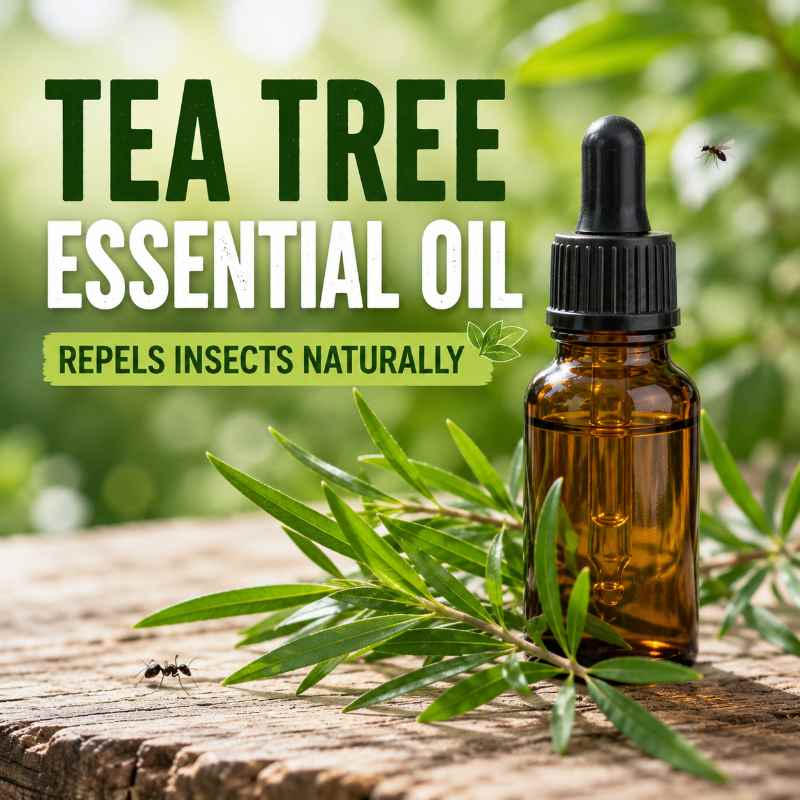
Tea tree oil has a strong medicinal scent that many insects dislike. It is often used in homemade cleaning sprays and natural pest-control mixes.
It may help repel mosquitoes, ants, fleas, flies, and other household pests. It is also a useful oil for cleaning areas where insects may be attracted, such as bins, kitchen surfaces, and pet areas.
How to use tea tree oil:
Add 10 drops of tea tree oil to a spray bottle with water and white vinegar for a strong natural cleaning spray.
Use it around bin lids, kitchen corners, doorways, and outdoor storage areas.
Important note: Tea tree oil can be toxic to pets, especially cats and dogs, if used incorrectly. Avoid spraying it where pets lick, sleep, or walk regularly.
6. Eucalyptus Essential Oil
Eucalyptus oil has a sharp, refreshing scent that can help deter mosquitoes, flies, and other flying insects. It is often used in homemade outdoor sprays and summer repellent blends.
It is important to know that “lemon eucalyptus oil” and “oil of lemon eucalyptus” are not exactly the same thing. Oil of lemon eucalyptus is a specific processed ingredient used in some insect repellents, while lemon eucalyptus essential oil is the natural essential oil. Both are often discussed in insect-repelling circles, but they should not be treated as identical products.
How to use eucalyptus oil:
Add a few drops to an outdoor diffuser or homemade patio spray.
You can also combine eucalyptus oil with lavender, citronella, or peppermint for a stronger homemade insect-repelling blend.
Avoid using eucalyptus oil directly on young children or pets without proper guidance.
7. Cedarwood Essential Oil
Cedarwood oil has a warm, woody scent that is often used to repel moths, fleas, ticks, mosquitoes, and ants. It is especially useful in wardrobes, sheds, pet bedding areas, and storage spaces.
Many people use cedarwood because it has a long-lasting scent compared with lighter citrus oils.
How to use cedarwood oil:
Add a few drops to cotton balls or wooden blocks and place them in wardrobes, drawers, cupboards, or storage boxes.
For outdoor use, mix cedarwood oil with water and spray around sheds, fences, patios, and garden seating areas.
It also blends well with lavender, peppermint, and lemongrass.
8. Rosemary Essential Oil
Rosemary oil is a lovely herbal essential oil that can help repel mosquitoes, flies, fleas, and some garden pests. It is a great choice if you like fresh, natural scents rather than strong chemical smells.
Rosemary is also a useful companion plant in the garden, and the essential oil can be used around patios, plant pots, and outdoor eating spaces.
How to use rosemary oil:
Mix rosemary essential oil with water and witch hazel in a spray bottle. Spray around garden furniture, doorways, plant pots, and outdoor tables.
You can also add rosemary oil to homemade candles or simmer pots for a bug-repelling summer scent.
Easy Homemade Essential Oil Bug Spray
Here is a simple homemade spray you can use around outdoor areas, doorways, and garden furniture.
You will need:
- 1 cup water
- 2 tablespoons witch hazel or vodka
- 10 drops citronella essential oil
- 8 drops lavender essential oil
- 8 drops peppermint essential oil
- 5 drops lemongrass essential oil
- Spray bottle
How to make it:
Add all ingredients to a clean spray bottle. Shake well before every use.
Spray around patios, doorways, window frames, garden chairs, picnic tables, and other bug-prone areas.
Do not spray near eyes, open wounds, pets, food, or children’s hands.
Important Safety Tips When Using Essential Oils
Essential oils are natural, but that does not mean they are always harmless. They are very concentrated and should be used carefully.
Always dilute essential oils before applying to skin. Never apply them neat unless advised by a qualified professional.
Do a small patch test first if using on skin.
Keep essential oils away from eyes, mouths, and sensitive areas.
Be extra careful around babies, young children, pregnant women, and pets.
Avoid spraying essential oils directly onto plants unless you know the plant can tolerate it.
Store oils away from heat, sunlight, and children.
If you have cats, dogs, birds, or other pets, check whether an oil is safe before using it in the home. Some oils can be dangerous to animals, even when diffused.
Best Essential Oil Blends for Different Insects
For mosquitoes:
Citronella, lemongrass, eucalyptus, lavender, rosemary
For ants:
Peppermint, tea tree, cedarwood, lemongrass
For flies:
Lavender, peppermint, eucalyptus, lemongrass
For moths:
Lavender, cedarwood, rosemary
For fleas:
Cedarwood, lavender, rosemary, peppermint
Final Thoughts
Essential oils can be a simple and natural way to help keep insects away from your home, garden, and outdoor seating areas. They smell much nicer than many chemical sprays and can be used in lots of easy DIY recipes.
Peppermint is great for ants and spiders, citronella is a summer favourite for mosquitoes, lavender works beautifully in wardrobes, and cedarwood is perfect for storage spaces.
The key is to use essential oils safely, dilute them properly, and reapply when needed. They may not work as powerfully or as long as commercial insect repellents, but they can be a lovely natural option for everyday use around the home.
A few drops can go a long way, and your home will smell amazing too.