 Home and Gardening Ideas At home and Gardening ideas we believe inspiring readers about homesteading, self sufficiency
Best Trees For Your Homestead
The Best Trees for a Homestead: Food, Privacy, Shade & Beauty
Trees are one of those homestead investments that just keep getting better with age.
Plant the right tree today and, years from now, it could be giving you baskets of fruit, cooling your home with shade, protecting your garden from harsh winds, feeding birds and wildlife, or creating a private little corner where you can enjoy your morning coffee without seeing a neighbour in sight.
That is why choosing trees for a homestead should involve more than simply asking, “Will this look nice here?”
A good homestead tree should ideally do more than one job.
When deciding what to plant, think about four things:
- Usefulness: Can it provide fruit, nuts or food for wildlife?
- Utility: Can it provide shade or help protect your property from wind?
- Privacy: Can it create a natural screen?
- Beauty: Will it add flowers, autumn colour or year-round interest?
The best homesteads often combine all four.
Before You Plant Any Tree
One of the biggest tree-planting mistakes is choosing a variety first and worrying about the location later.
Instead, look at your property and decide what you need the tree to accomplish.
Is there a cold prevailing wind that hits the house every winter?
Do you have a sunny patch that could become a small orchard?
Would trees along a boundary give you more privacy?
Is there an exposed area that desperately needs afternoon shade?
Once you know the job, choosing the tree becomes much easier.
You should also consider:
- Your local climate and hardiness zone
- Mature height and width
- Soil drainage
- Available sunlight
- Distance from buildings
- Overhead power lines
- Underground pipes and utilities
- How much maintenance the tree will require
The USDA Plant Hardiness Zone Map is useful for determining whether a perennial plant is likely to survive winter temperatures in your location, but it should be treated as a guide rather than the only factor when choosing a tree.
1. Trees That Provide Food
If you have enough space, adding fruit and nut trees can turn an ordinary garden into a productive part of the homestead.
There is something incredibly satisfying about walking outside and picking food directly from a tree you planted yourself.
Pear Trees
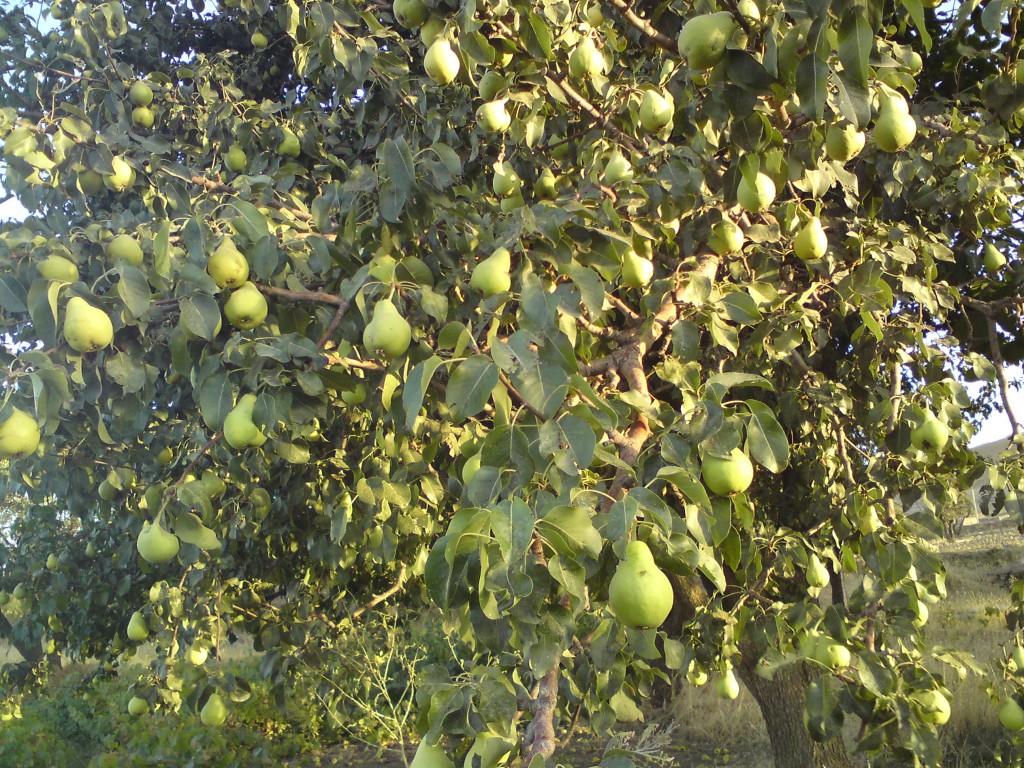
Pears are an excellent choice for a home orchard.
They produce beautiful white blossom in spring followed by fruit later in the growing season, making them both productive and attractive.
Common European pear trees generally prefer:
- Full sun
- Moist but well-drained soil
- Good air circulation
- Space away from heavily shaded areas
Many common pears are suitable for USDA Zones 4 to 8, depending on the variety. Planting two compatible varieties can also improve pollination and fruit production.
Dwarf and semi-dwarf trees are particularly useful for smaller homesteads because the fruit is easier to pick and the trees are easier to prune.
Imagine being able to turn your own pears into preserves, poached pears, dried fruit or homemade pear crumble every autumn.
That is exactly the sort of tree that earns its place on a homestead.
Peach Trees
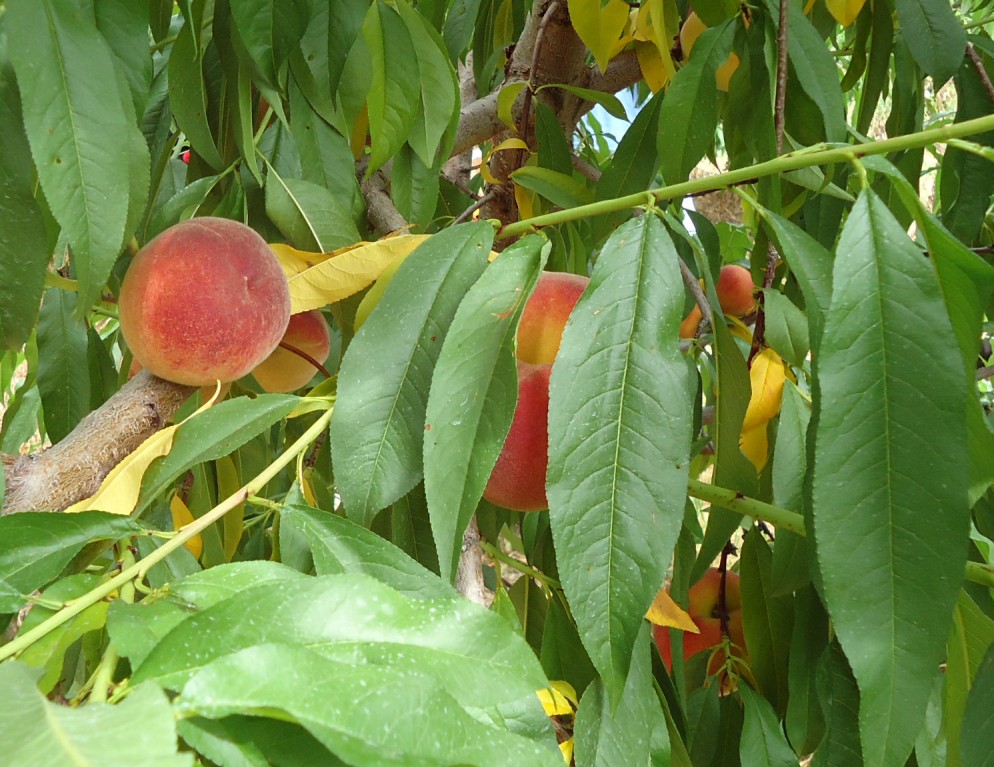
Few things compare with a ripe peach picked warm from the tree.
Peaches generally need plenty of sunlight and fertile, well-drained soil. They can be more demanding than some other fruit trees, but the harvest can make the extra care worthwhile.
When choosing a peach tree, do not simply buy the first one you see at a garden centre. Look for a variety recommended for your climate because winter cold requirements, spring frost and summer temperatures can all affect fruit production.
A sunny position with good airflow is usually best.
Peaches can be eaten fresh, canned, frozen, turned into jam or baked into cobblers and pies, making them a very useful addition to a productive garden.
Apples and Crabapples
Apple trees are almost synonymous with traditional homestead orchards.
With careful variety selection, you can grow apples for:
- Fresh eating
- Baking
- Applesauce
- Cider
- Drying
- Preserving
Crabapples can also be incredibly useful.
Their fruit can be turned into jelly, while the blossom provides a beautiful spring display and the fruit can provide food for wildlife.
Plant several different fruit trees and your orchard can provide food over a much longer season.
Nut Trees
If you have plenty of room, consider nut-producing trees such as:
- Chestnut
- Hazelnut
- Hickory
- Pecan
- Walnut
- Oak
Some of these eventually become very large trees, so think carefully about their mature size before planting.
A tiny sapling planted beside the house may look harmless today, but it could become enormous several decades from now.
2. Trees for Birds and Wildlife
Not every useful tree has to feed you.
Some of the most valuable trees on a homestead provide food and shelter for birds, pollinators and other wildlife.
Trees and shrubs that produce fruits, berries, seeds or nuts can turn a quiet garden into a much more active ecosystem.
Useful choices can include:
- Serviceberry
- Dogwood
- Crabapple
- Hawthorn
- Wild plum
- Cherry
- Oak
- Birch
- Maple
- Spruce
- Fir
Serviceberry is particularly interesting because it provides both edible fruit and food for birds.
Many species produce white spring flowers followed by edible dark fruits, while also offering attractive autumn colour.
Instead of planting only ornamental trees, choosing species that produce food or shelter gives you much more from the same amount of land.
3. Trees for Wind Protection
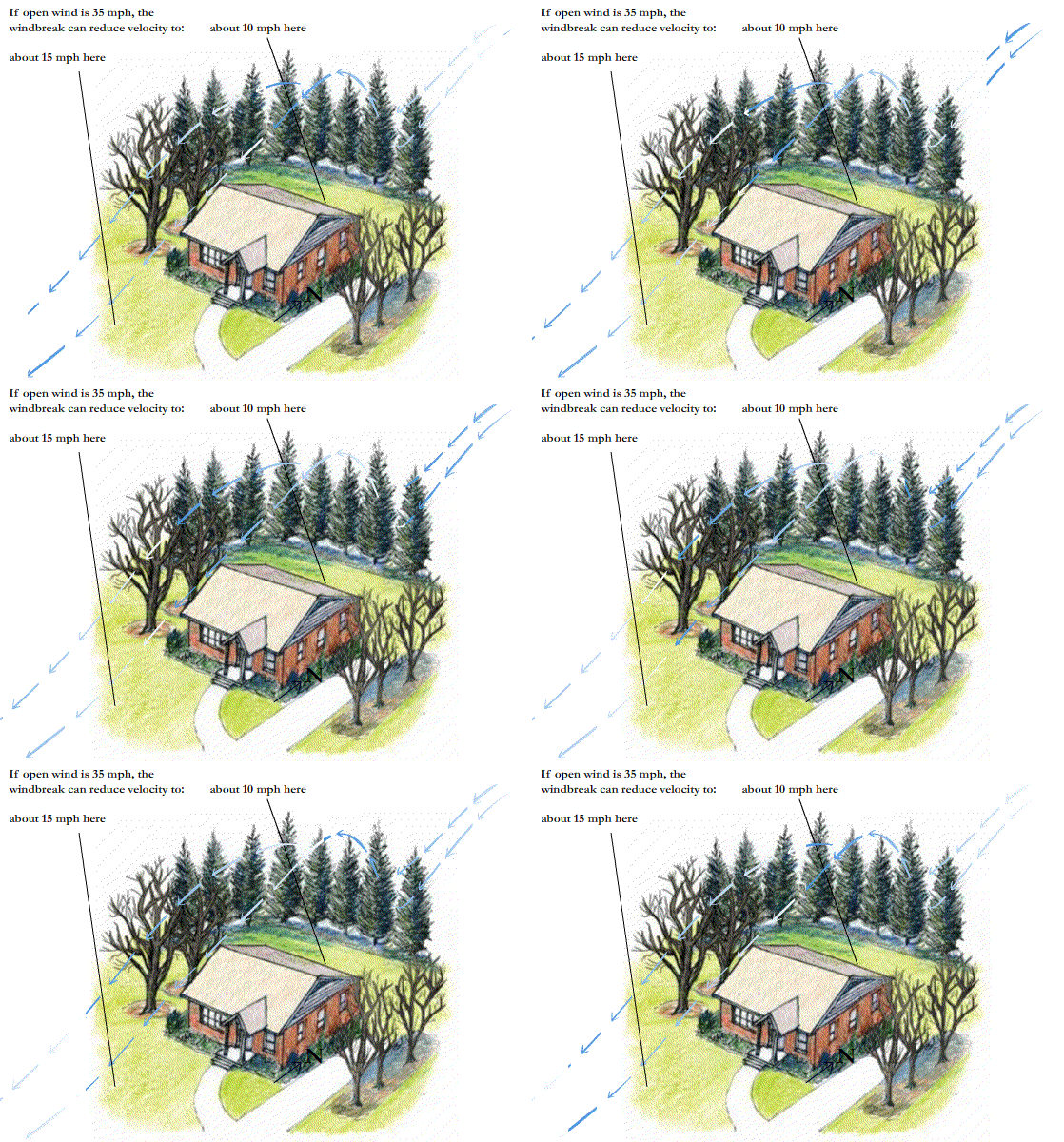
If your homestead sits in an exposed location, a well-planned windbreak can make an enormous difference.
Rather than allowing winter winds to hit your home, garden and outbuildings at full strength, rows of trees and shrubs can slow the wind before it reaches them.
The Arbor Day Foundation notes that correctly positioned trees can help reduce household heating and cooling demands.
A good windbreak is usually more effective when it contains several layers rather than one perfectly straight row of identical trees.
For example:
Outer layer: Tough shrubs that tolerate exposure.
Middle layer: Dense evergreen trees.
Inner layer: Larger trees that create height.
This creates a more natural barrier while also providing valuable wildlife habitat.
When designing a windbreak, remember that the trees will grow wider as well as taller. Give them enough room to mature without crowding buildings, roads or neighbouring property.
4. Trees for Privacy
One of the pleasures of homestead life is having somewhere outdoors that actually feels private.
Trees can create that privacy far more attractively than a tall fence.
Evergreens are particularly useful because they keep most or all of their foliage throughout the year.
Depending on your climate, options might include:
- Cypress
- Arborvitae
- Juniper
- Spruce
- Fir
- Cedar
A mixed planting often looks more natural than a perfectly straight wall of one species.
It can also be more resilient. If disease or pests affect one type of tree, you are less likely to lose the entire privacy screen at once.
Cypress
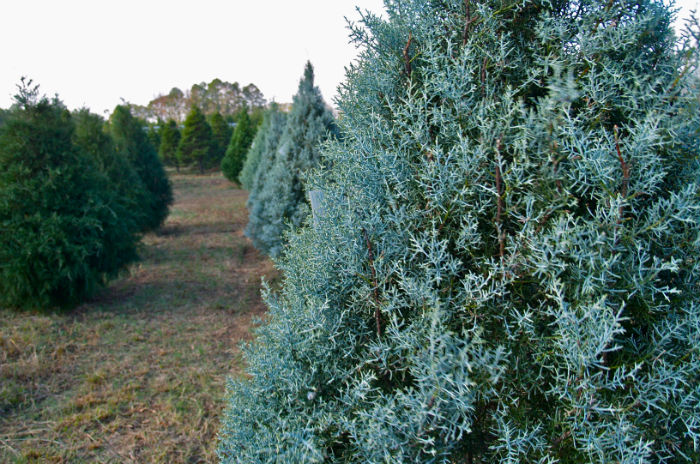
Certain cypress varieties can create a dense evergreen screen surprisingly quickly under the right conditions.
Before buying one, however, check its eventual height, cold tolerance and moisture requirements.
“Cypress” covers many different plants, and a variety that thrives in one region may struggle badly in another.
For privacy planting, resist the temptation to cram young trees together.
Closely planted saplings may give faster coverage initially, but overcrowding can cause problems once the trees mature.
5. Trees for Shade and Beauty
A practical homestead does not have to look purely practical.
Some trees deserve their place simply because they make the property a more enjoyable place to live.
The trick is choosing beautiful trees that also provide another benefit.
Pin Oak
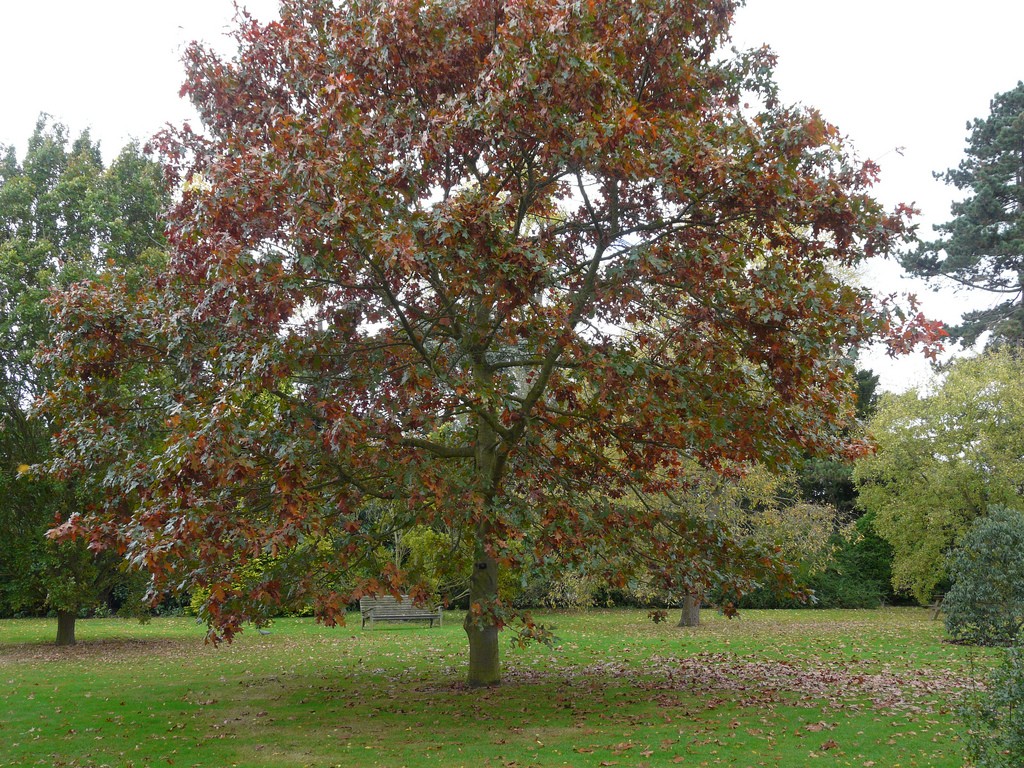
Pin oak can become a magnificent shade tree where conditions suit it.
It generally grows around 50 to 70 feet tall with a spread of roughly 40 to 60 feet, so this is definitely a tree that needs space.
It prefers full sun and does particularly well in moist, acidic soil. It can also tolerate wetter ground better than many other large landscape trees.
The foliage provides summer shade before developing attractive autumn colour.
An oak can also become an incredibly valuable wildlife tree over time, producing acorns and creating habitat among its branches.
Just remember that planting an oak is very much a long-term decision.
Serviceberry
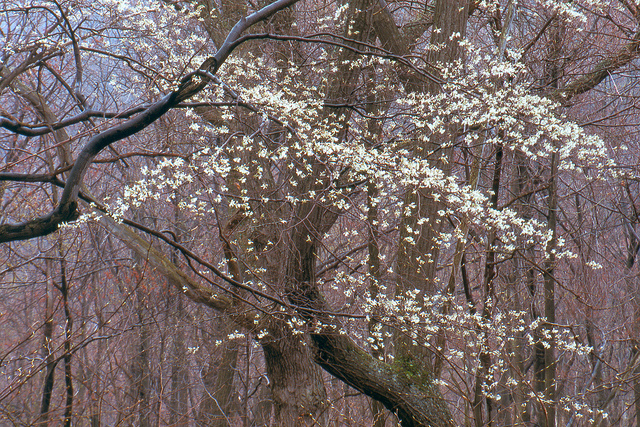
If you want something smaller, serviceberry is one of my favourite multipurpose choices.
It offers several seasons of interest:
Spring: Masses of white flowers.
Summer: Edible berries.
Autumn: Attractive red, orange or yellow foliage.
Wildlife: The fruit is popular with birds.
Many serviceberries grow somewhere around 15 to 30 feet tall depending on species and variety, making them much easier to fit into smaller properties than a large oak.
The berries can also be used in jams, pies and other recipes if you manage to pick them before the birds discover them.
Think in Layers, Not Individual Trees
One of the easiest ways to make a new homestead look established is to avoid planting isolated trees randomly across the property.
Instead, think in layers.
You might have:
Tall canopy trees for shade and structure.
Fruit and nut trees forming the productive middle layer.
Small trees and large shrubs such as serviceberries underneath.
Berry bushes and flowering shrubs closer to ground level.
This creates a much more natural landscape while squeezing far more usefulness from the available space.
It can also create shelter and food at several different heights for wildlife.
Plant Trees for the Homestead You Want in 10 Years
Trees require patience.
That is also what makes planting them so rewarding.
The pear tree you plant this year could eventually provide baskets of fruit.
Those tiny evergreens along the boundary could become the privacy screen you enjoy every morning.
The little oak that barely produces any shade today could someday become the place where your family sits during the hottest part of summer.
The best time to think about those trees is long before you desperately need them.
Walk around your property and look for opportunities.
Where does the wind come from?
Where does the afternoon sun hit the house?
Where would privacy make the garden more enjoyable?
Where could a fruit tree produce food instead of simply mowing another patch of grass?
Then choose trees that solve those problems.
A well-planned homestead does not simply have trees planted around it. The trees become part of how the homestead works.
They provide food, wildlife habitat, shade, shelter, privacy and beauty, often doing several of those jobs at the same time.
And unlike many improvements you can make to a property, a good tree usually becomes more valuable with every passing year.






One comment
Pingback: Planting Fruit Trees: What You Need to Know - Home and Gardening Ideas