 Home and Gardening Ideas At home and Gardening ideas we believe inspiring readers about homesteading, self sufficiency
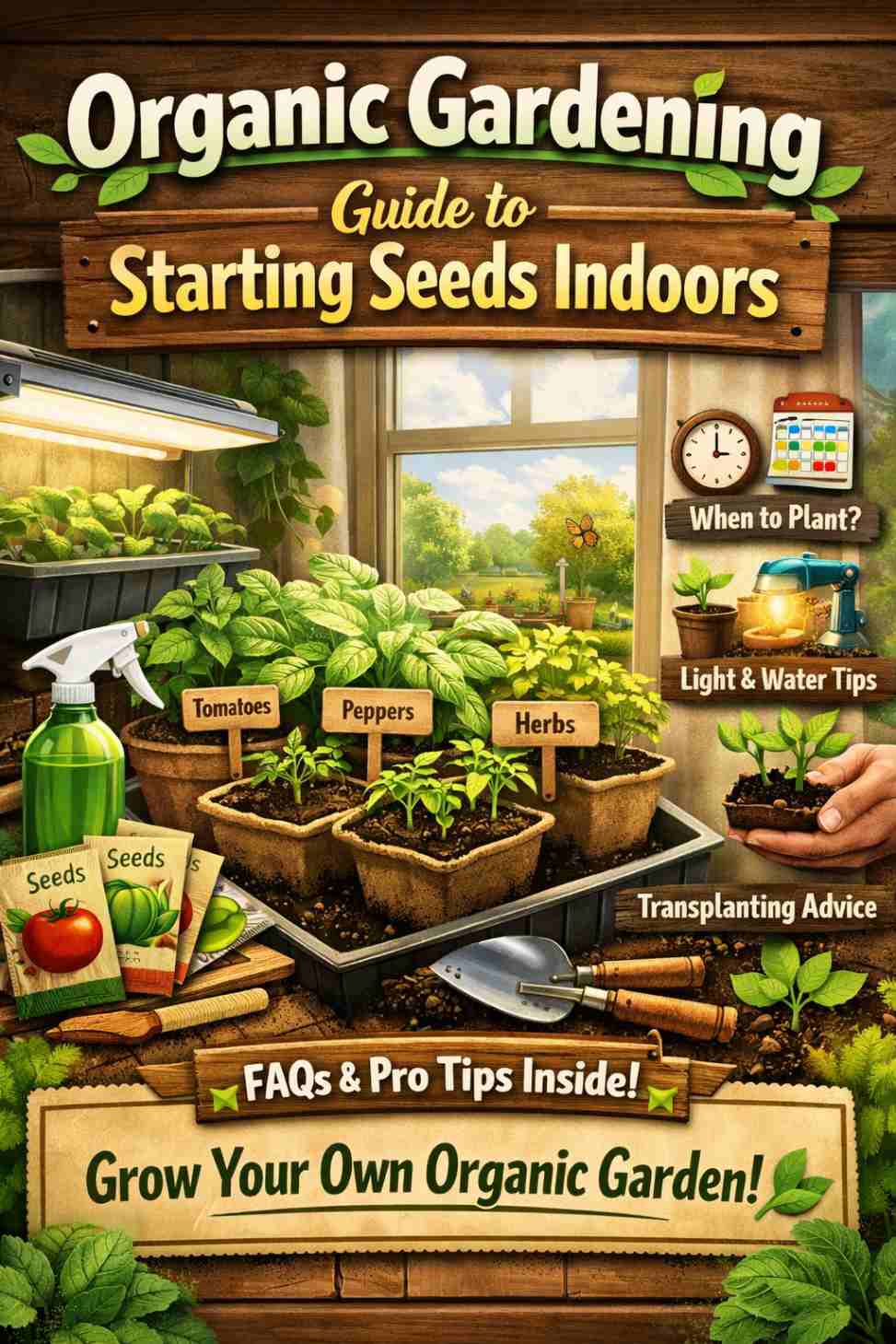
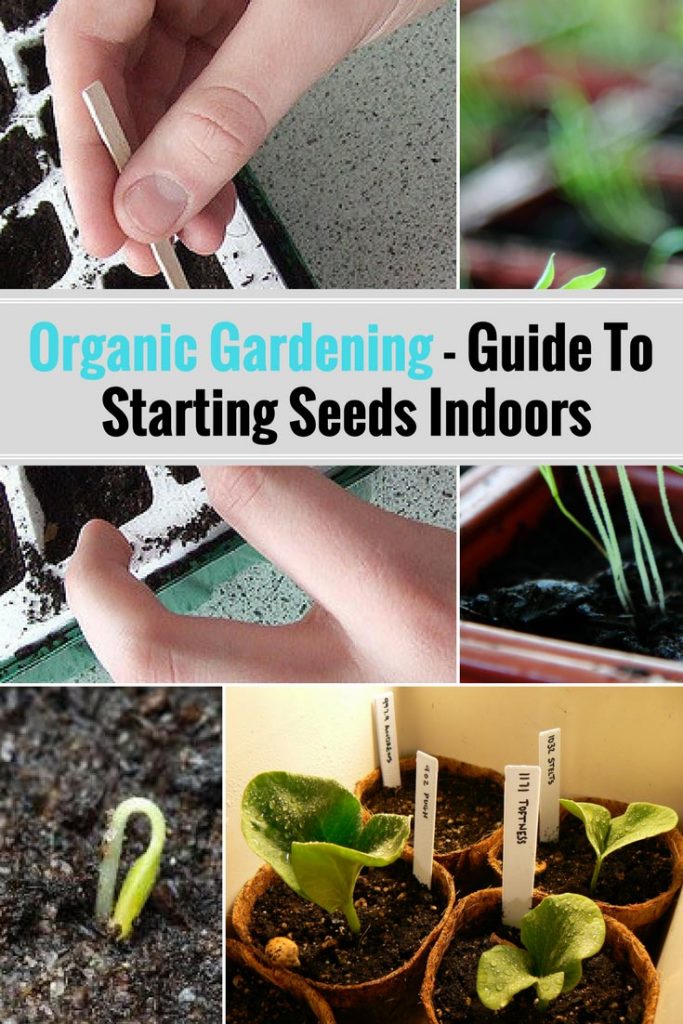
Organic Gardening – Guide To Starting Seeds Indoors
🌼 Grow More, Spend Less, and Take Control
If you’ve ever dreamed of stepping into your garden and harvesting fresh, organic vegetables you grew from scratch… this is where it begins. Starting seeds indoors isn’t just for expert gardeners. It’s one of the simplest, cheapest, and most rewarding ways to kickstart your organic gardening journey.
Think about it… instead of buying expensive seedlings every year, you can grow dozens of plants for the price of a single packet of seeds. 🌿 Plus, you get full control over what goes into your plants, which means no hidden chemicals, no pesticides, just pure, healthy food.
Whether you’ve got a windowsill, a spare room, or just a bit of motivation, this guide will walk you through everything you need to know.
🌱 Why Start Seeds Indoors?
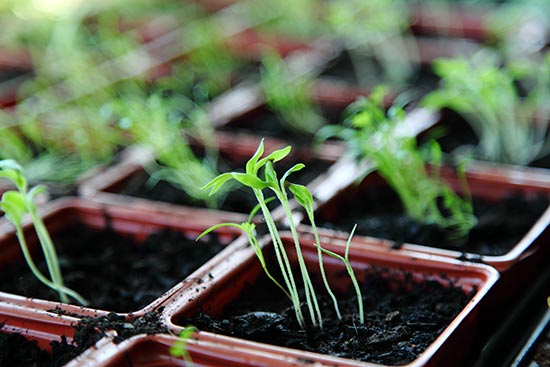
Starting seeds indoors gives you a huge advantage over planting directly outside. Here’s why it’s worth doing:
✅ Longer growing season
You can start weeks or even months earlier, giving plants a strong head start.
💰 Save money
A £2 packet of seeds can grow 20 to 50 plants. Compare that to buying individual plants!
🌿 Better plant health
You control soil, water, and environment, reducing disease and pests.
🍅 More variety
Garden centres only stock so much. Seeds open the door to rare and heirloom varieties.
🛡️ Stronger plants
Indoor-started seedlings are often more resilient when transplanted properly.
🛠️ What You Need To Get Started
You don’t need anything fancy. Keep it simple and budget-friendly:
- Seed trays or small containers (even yogurt pots work)
- Organic seed-starting compost
- Seeds of your choice
- Water spray bottle
- Labels or markers
- A sunny windowsill or grow light
💡 Tip: Reusing containers is not only cheaper but also eco-friendly.
🌿 Step-By-Step: How To Start Seeds Indoors
1. Choose the Right Seeds
Not all plants need to be started indoors. The best options include:
- Tomatoes 🍅
- Peppers 🌶️
- Herbs 🌿
- Lettuce 🥬
- Cabbage and broccoli
2. Fill Your Containers
Use a light, organic seed-starting mix. Avoid heavy garden soil, it can suffocate young roots.
3. Plant the Seeds
Follow the depth instructions on the packet. A good rule:
- Small seeds stay on the surface
- Larger seeds go slightly deeper
Gently press them into the soil and lightly cover if needed.
4. Water Gently
Use a spray bottle to avoid washing seeds away. Keep soil moist, not soaked.
5. Provide Warmth and Light
Place your seeds in a warm spot with plenty of light. A south-facing window works great.
💡 If light is limited, consider a cheap grow light to prevent leggy plants.
6. Be Patient 🌱
Most seeds germinate within 5 to 14 days. Keep checking daily.
7. Thin Seedlings
If too many sprout, remove weaker ones so the strongest can thrive.
8. Harden Off Before Transplanting
Before moving outdoors, gradually expose plants to outside conditions over 7 to 10 days.
🌼 Organic Gardening Benefits You’ll Love
Starting seeds indoors organically is more than just gardening. It’s a lifestyle shift.
🌍 Better for the environment
No synthetic fertilisers or pesticides means healthier soil and ecosystems.
🥕 Healthier food
You know exactly what you’re eating. Clean, chemical-free produce.
💸 Lower grocery bills
Grow your own and reduce trips to the supermarket.
🧠 Mental wellbeing
Gardening reduces stress and boosts mood. It’s proven.
🔥 Pro Tips To Boost Success
Want better results? These tips make a huge difference:
- Don’t overwater – Most beginners kill plants with kindness
- Use labels – You will forget what you planted
- Rotate trays – Prevent leaning towards light
- Keep airflow moving – Reduces mold and disease
- Start small – It’s better to succeed with 5 plants than fail with 50
💡 Game changer: Place a small fan nearby to strengthen stems naturally.
⚠️ Common Mistakes To Avoid
Even experienced gardeners slip up. Watch out for these:
- Planting too early and ending up with overgrown seedlings
- Using poor-quality soil
- Not giving enough light
- Skipping the hardening-off process
- Letting soil dry out completely
❓ Frequently Asked Questions
How early should I start seeds indoors?
It depends on the plant, but typically 6 to 8 weeks before the last frost.
Do I need grow lights?
Not always. A bright windowsill can work, but grow lights help prevent weak, stretched plants.
How often should I water seedlings?
Keep soil consistently moist. Check daily, especially in warm rooms.
Can I reuse soil?
It’s best to use fresh seed-starting mix to avoid disease.
What temperature is best?
Most seeds germinate well between 18°C and 24°C.
Why are my seedlings falling over?
This is often due to weak stems from lack of light or a disease called damping-off.
🌿 Final Thoughts: Start Small, Grow Big
Starting seeds indoors might seem intimidating at first, but once you try it, you’ll wonder why you didn’t start sooner. It’s one of those skills that pays off every single year.
You don’t need a greenhouse. You don’t need expensive gear. You just need a bit of patience and a willingness to learn.
And the best part? Watching something grow from a tiny seed into something you can eat, share, or enjoy is incredibly satisfying.





One comment
Pingback: Guide To Starting Seeds Indoors