 Home and Gardening Ideas At home and Gardening ideas we believe inspiring readers about homesteading, self sufficiency
12 Things You Can Bury In The Garden To Improve Your Soil 🌱
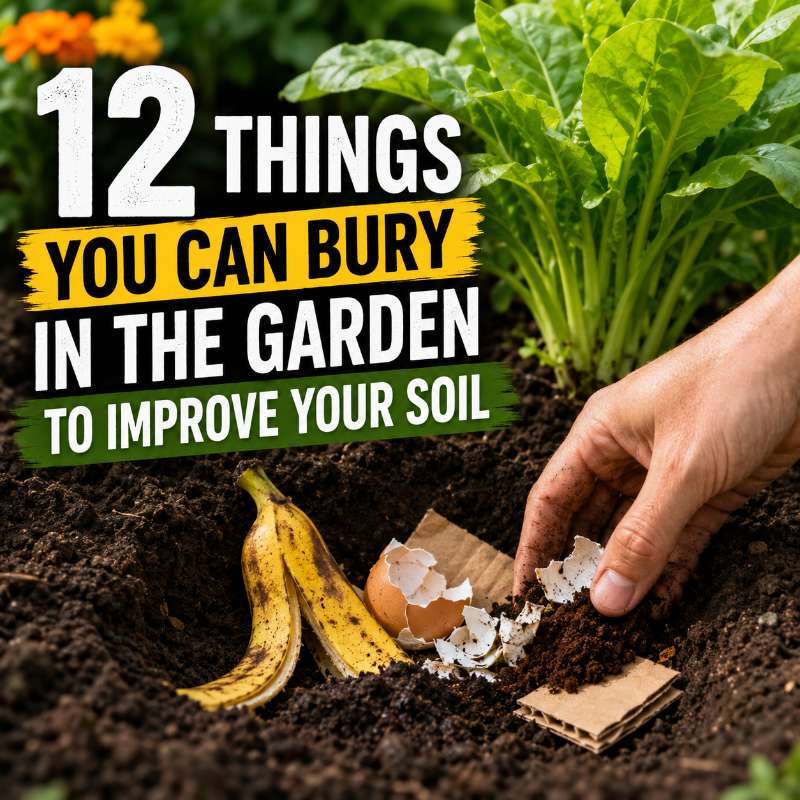
Banana peels, eggshells, cardboard, leaves, fish scraps, coffee grounds, and more
Most gardeners spend money on compost, soil improvers, fertilizers, bagged mulch, and fancy plant feeds without realizing one of the best soil boosters is already sitting in the kitchen, shed, or recycling pile.
Your garden soil is alive. It is full of worms, fungi, bacteria, insects, and tiny organisms that break down organic matter and turn it into food for your plants. When you bury the right natural materials in your garden, you are not just getting rid of waste. You are feeding the soil from the inside out.
The best part? Many of these soil improvers are completely free. 🍌🥚🍂
From banana peels and eggshells to cardboard, leaves, fish scraps, coffee grounds, and more, these everyday items can help improve soil structure, boost nutrients, attract worms, hold moisture, and support healthier plant growth.
But there is a right way and a wrong way to do it. Some things need to be buried deep. Some should be chopped up first. Some are better for certain areas of the garden. And some should be used carefully so you do not attract pests.
Let’s dig into 12 things you can bury in the garden to improve your soil naturally.
Why Bury Things In The Garden? 🌿
Burying organic materials directly in the garden is an old-fashioned method that works beautifully when done properly.
Instead of sending useful scraps to landfill, you are turning them into slow-release soil food.
Benefits include:
- Improves soil structure
- Feeds worms and soil microbes
- Adds slow-release nutrients
- Helps soil hold moisture
- Reduces household waste
- Supports stronger root growth
- Can reduce the need for store-bought fertilizers
Think of it like composting directly where your plants need it most.
1. Banana Peels 🍌
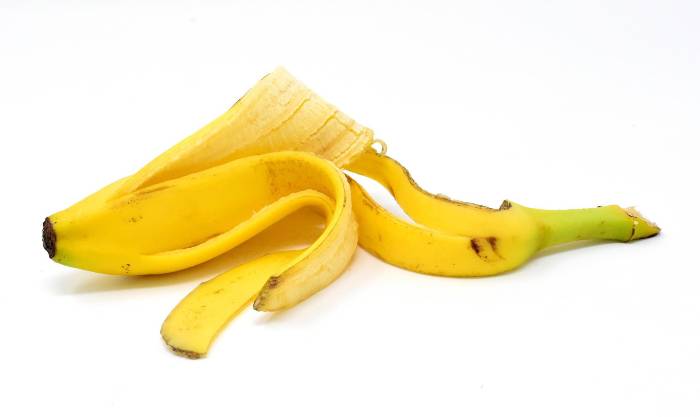
Banana peels are one of the most popular garden scraps because they contain potassium, phosphorus, calcium, and magnesium. These nutrients are especially useful for flowering and fruiting plants.
Tomatoes, peppers, roses, squash, cucumbers, and fruit bushes can all benefit from banana peels buried nearby.
How to bury banana peels:
Chop the peels into small pieces before burying them. This helps them break down faster and reduces the chance of pests digging them up.
Bury them around 4 to 6 inches deep, away from the main plant stem but close enough for roots to reach the nutrients over time.
Best for:
- Tomatoes
- Roses
- Peppers
- Cucumbers
- Flower beds
- Fruit bushes
Tip: Do not leave banana peels sitting on top of the soil. They can attract flies, rodents, and other unwanted visitors.
2. Eggshells 🥚
Eggshells are rich in calcium, which can help support strong plant cell walls. Many gardeners use them around tomatoes, peppers, and squash because calcium is linked to reducing issues like blossom end rot, although watering consistency is also very important.
How to bury eggshells:
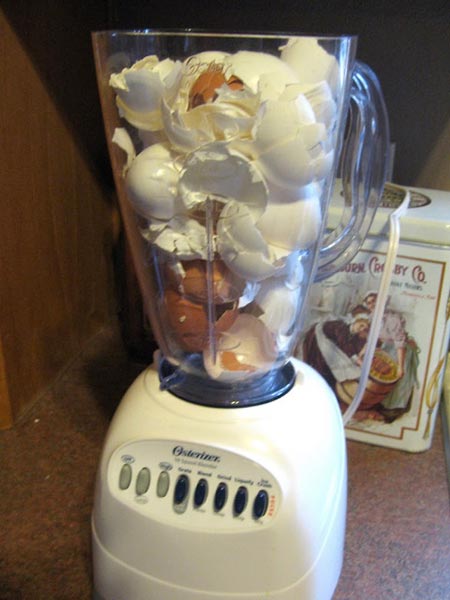
Rinse the shells, let them dry, then crush them as finely as possible. The smaller the pieces, the faster they break down.
You can bury crushed eggshells in planting holes, around established plants, or mix them into garden beds before planting.
Best for:
- Tomatoes
- Peppers
- Courgettes
- Squash
- Cabbage family crops
- Compost trenches
Standout tip: For faster results, grind dry eggshells into a powder using a blender or pestle and mortar.
3. Plain Cardboard 📦
Cardboard is a secret weapon for improving poor soil. It breaks down slowly, adds carbon, feeds worms, and helps loosen compacted ground.
It is especially useful in no-dig gardening, raised beds, and areas where you want to suppress weeds while improving the soil underneath.
How to bury cardboard:
Use plain brown cardboard with tape, staples, glossy print, and labels removed. Tear or soak it first so it breaks down more easily.
You can bury strips in trenches, place sheets at the bottom of raised beds, or layer it under compost and mulch.
Best for:
- No-dig beds
- Weed suppression
- Raised beds
- Worm activity
- Poor soil improvement
Avoid: Glossy cardboard, heavily dyed packaging, plastic-coated boxes, and anything with lots of ink.
4. Fallen Leaves 🍂
Leaves are one of the most underrated free soil improvers. They break down into leaf mould, which improves soil texture, moisture retention, and microbial life.
If you have heavy clay soil or dry sandy soil, leaves can help make it more workable over time.
How to bury leaves:
Shred them first if possible. Whole leaves can mat together and take longer to break down.
Bury them in empty beds, mix them into soil in autumn, or add them to trenches before covering with compost or garden soil.
Best for:
- Vegetable beds
- Flower borders
- Woodland-style gardens
- Soil moisture improvement
- Worm-friendly beds
Tip: Avoid burying large amounts of diseased leaves, especially from plants with fungal problems.
5. Fish Scraps 🐟
Fish scraps have been used as a natural fertilizer for centuries. They can provide nitrogen, phosphorus, calcium, and trace minerals. Many gardeners swear by burying fish heads, bones, and scraps under heavy-feeding crops.
However, this one needs caution.
How to bury fish scraps:
Bury fish scraps at least 12 inches deep. Shallow burial can attract cats, foxes, raccoons, rats, or dogs depending on where you live.
Place the scraps at the bottom of a planting hole, cover with several inches of soil, then plant above.
Best for:
- Tomatoes
- Sweetcorn
- Squash
- Pumpkins
- Fruit trees
- Heavy-feeding crops
Important: Do not bury fish scraps close to harvestable roots like carrots or potatoes. Use them under fruiting plants instead.
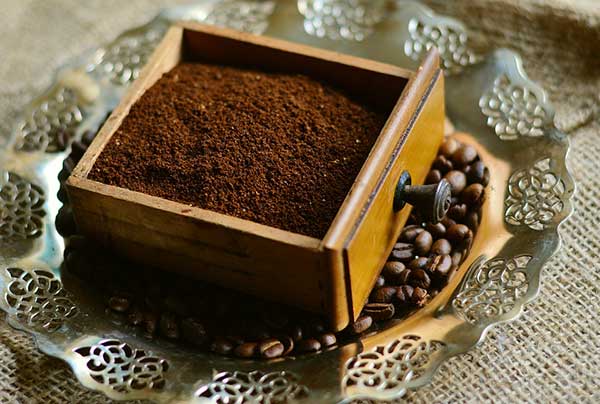
6. Coffee Grounds ☕
Used coffee grounds can add organic matter to the soil and help feed worms. They contain small amounts of nitrogen and can improve soil texture when used in moderation.
The key phrase is in moderation.
Too many coffee grounds can clump together, repel water, and create an unbalanced soil environment.
How to bury coffee grounds:
Sprinkle a thin layer into the soil or mix them with dry leaves, shredded cardboard, or compost before burying.
Do not dump thick piles in one spot.
Best for:
- Compost trenches
- Worm-friendly beds
- Leafy greens
- Mulched garden areas
- Soil texture improvement
Tip: Used coffee grounds are better than fresh grounds. Fresh coffee can be more acidic and stronger.
7. Vegetable Scraps 🥕
Vegetable peelings, carrot tops, outer cabbage leaves, celery ends, and herb stems can all be buried to feed soil life.
This is basically trench composting. Instead of waiting for a compost bin to finish, you bury scraps directly in unused parts of the garden.
How to bury vegetable scraps:
Chop scraps small and bury them at least 8 to 10 inches deep. Cover fully with soil.
Use this method in empty beds, between crop rows, or in areas you plan to plant later.
Best for:
- Empty raised beds
- Future planting areas
- Compost trenches
- Hungry vegetable patches
- Worm activity
Avoid: Cooked vegetables with oil, salt, butter, cheese, sauces, or meat juices.
8. Grass Clippings 🌾
Grass clippings are rich in nitrogen and break down quickly. They can help feed soil microbes and add soft green material to the garden.
But grass clippings can become slimy and smelly if buried in thick, wet clumps.
How to bury grass clippings:
Use thin layers only. Mix them with brown materials like dry leaves, cardboard, straw, or shredded paper.
You can bury them in trenches or mix small amounts into empty beds.
Best for:
- Nitrogen boost
- Empty garden beds
- Compost trenches
- Soil microbial activity
- Quick breakdown
Warning: Do not use grass clippings from lawns treated with weedkiller or chemical sprays.
9. Wood Ash 🔥
Wood ash can add potassium and trace minerals to the soil. It can also raise soil pH, which makes it useful for overly acidic soils.
But this is one of the items you need to use carefully.
How to bury wood ash:
Use only a light sprinkle and mix it well into the soil. Never bury large piles of ash in one spot.
Only use ash from clean, untreated wood.
Best for:
- Acidic soil
- Fruit trees
- Garlic
- Onions
- Brassicas
- Compost piles in small amounts
Avoid using wood ash around acid-loving plants such as blueberries, rhododendrons, azaleas, and camellias.
10. Hair And Pet Fur 🐾
This might sound strange, but hair and fur can slowly break down and add nitrogen to the soil. They can also help improve soil texture over time.
Human hair, dog fur, cat fur, and even wool scraps can be buried in small amounts.
How to bury hair or fur:
Spread it out before burying so it does not form a thick mat. Bury it in small handfuls around non-root crops, shrubs, or ornamental beds.
Best for:
- Shrubs
- Flower borders
- Fruit bushes
- Compost trenches
- Slow-release nitrogen
Tip: Use clean hair or fur only. Avoid anything heavily treated with chemicals, flea treatments, dyes, or strong products.
11. Seaweed 🌊
If you live near the coast and can legally collect seaweed in your area, it can be a fantastic garden soil booster. Seaweed contains trace minerals and breaks down into rich organic matter.
It is especially loved by gardeners growing potatoes, brassicas, and fruiting crops.
How to bury seaweed:
Rinse it first if you are concerned about salt. Chop or spread it out, then bury it under soil or compost.
Seaweed can also be used in trenches before planting potatoes or pumpkins.
Best for:
- Potatoes
- Pumpkins
- Brassicas
- Fruit bushes
- Poor soil improvement
- Trace minerals
Important: Check local rules before collecting seaweed. Some beaches and protected areas do not allow removal.
12. Old Compostable Paper And Shredded Paper 📰
Plain paper and shredded paper can add carbon to your soil. They are especially useful when mixed with wetter materials like vegetable scraps, coffee grounds, and grass clippings.
Paper helps balance the moisture and prevents buried scraps from turning into a soggy mess.
How to bury paper:
Use plain, non-glossy paper. Shred it first and moisten it slightly before burying.
Mix it with food scraps or leaves rather than burying dry clumps.
Best for:
- Compost trenches
- Raised beds
- Worm activity
- Moisture balance
- Carbon-rich soil improvement
Avoid: Glossy magazines, shiny leaflets, heavily inked paper, thermal receipts, and plastic-coated paper.
How To Bury Garden Scraps The Right Way 🌱
Burying organic matter is simple, but a few small steps make a big difference.
Step 1: Choose the right spot
Use empty beds, spaces between plants, future planting areas, or the bottom of raised beds.
Avoid burying strong-smelling scraps right next to the house, patio, or shed.
Step 2: Dig deep enough
For most fruit and vegetable scraps, aim for 8 to 10 inches deep.
For fish scraps, go deeper at around 12 inches or more.
Step 3: Chop materials small
Smaller pieces break down faster and are less likely to attract pests.
Step 4: Cover properly
Always cover buried scraps fully with soil. Press the soil down lightly to reduce smell and access for animals.
Step 5: Wait before planting root crops
If you are burying lots of scraps, give them time to break down before planting carrots, beetroot, radishes, or potatoes directly into that spot.
What NOT To Bury In The Garden 🚫
Not everything belongs in your soil.
Avoid burying:
- Meat scraps, unless you are using fish carefully and deeply
- Dairy products
- Oily cooked food
- Bread and pasta in large amounts
- Diseased plants
- Weeds full of seeds
- Dog or cat waste
- Glossy paper or plastic-coated cardboard
- Treated wood ash
- Chemically sprayed grass clippings
These can attract pests, spread disease, smell bad, or introduce unwanted chemicals into the garden.
Best Plants To Benefit From Buried Soil Boosters 🌿
Some plants are especially hungry and love nutrient-rich soil.
Great choices include:
- Tomatoes
- Squash
- Pumpkins
- Cucumbers
- Sweetcorn
- Peppers
- Roses
- Fruit bushes
- Fruit trees
- Brassicas like cabbage and kale
Heavy feeders usually respond best because they need plenty of nutrients to grow big leaves, flowers, and fruit.
Mistakes To Avoid ⚠️
Burying scraps too shallow
This is the biggest mistake. Shallow scraps attract pests and can smell.
Adding too much in one spot
Spread materials around the garden rather than creating one overloaded pocket.
Using the wrong materials
Natural does not always mean garden-safe. Avoid anything oily, salty, diseased, glossy, or chemically treated.
Forgetting carbon
Wet food scraps need dry carbon materials like leaves, cardboard, or shredded paper to balance them.
Expecting instant results
Buried materials take time to break down. This is a slow-release soil improvement method.
Common Questions And Answers 🌱
1. Can I bury banana peels directly in the garden?
Yes, banana peels can be buried directly in the garden, but it is best to chop them first and bury them several inches deep. This helps them break down faster and makes them less attractive to pests.
2. Will burying food scraps attract rats?
It can if scraps are buried too shallow or if you bury the wrong foods. Avoid meat, dairy, oily food, and cooked leftovers. Bury vegetable scraps at least 8 to 10 inches deep and fish scraps at least 12 inches deep.
3. Can I bury eggshells around tomatoes?
Yes. Crushed eggshells can be buried around tomatoes or added to the planting hole. They break down slowly and add calcium to the soil over time. For faster breakdown, crush them very finely.
4. Is cardboard safe to bury in the garden?
Plain brown cardboard is generally safe to bury if you remove tape, labels, staples, and plastic. Avoid glossy, coated, or heavily printed cardboard.
5. How long does it take buried scraps to break down?
It depends on the material, soil temperature, moisture, and how small the pieces are. Soft scraps like banana peels and vegetable peelings may break down in a few weeks to a few months. Eggshells, cardboard, hair, and woody materials take longer.
6. Can I plant directly over buried scraps?
Yes, for some plants, especially fruiting crops like tomatoes, squash, and pumpkins. However, avoid planting root crops directly over fresh buried scraps because the decomposing material may interfere with root development.
7. Are coffee grounds good for all plants?
Used coffee grounds are best used in small amounts and mixed with other materials. Do not bury thick piles of coffee grounds because they can compact and repel water.
8. Can I bury leaves in vegetable beds?
Yes. Leaves are excellent for improving soil, especially when shredded first. They add organic matter, support worms, and help the soil hold moisture.
Final Thoughts: Your Garden Wants Your “Waste” 🌎
The next time you peel a banana, crack an egg, empty the coffee filter, rake up leaves, or break down a cardboard box, think twice before throwing it away.
Your garden may be able to use it.
Burying the right natural materials can turn everyday scraps into free soil food, helping your plants grow stronger, your soil stay healthier, and your garden become more self-sufficient.
It is simple. It is frugal. It reduces waste. And best of all, it works with nature instead of against it. 🌱
Start small with banana peels, eggshells, leaves, and cardboard, then experiment with trench composting in empty beds. Over time, you may notice more worms, richer soil, better moisture retention, and healthier plants.
Your soil is not dirt. It is alive. Feed it well, and it will feed your garden back.