 Home and Gardening Ideas At home and Gardening ideas we believe inspiring readers about homesteading, self sufficiency
How To Start A Mini Homestead Even If You Live In A Normal House
Herbs, pantry, composting, line drying, batch cooking, basic DIY, preserving and simple self-sufficient living 🌿🏡
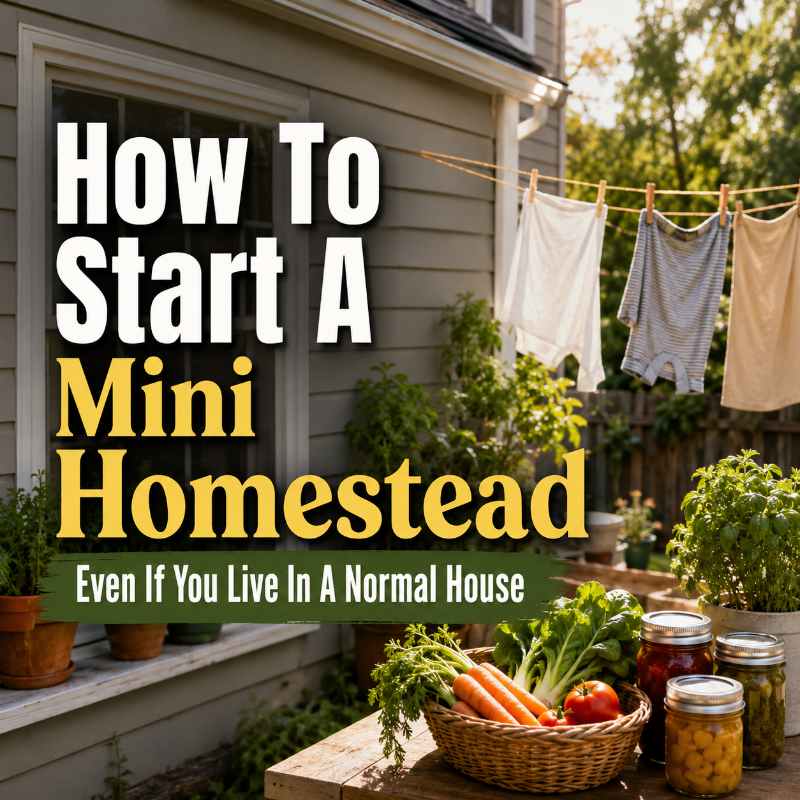
You Do Not Need Acres To Start Homesteading
When most people hear the word homestead, they picture a big farmhouse, chickens wandering around the yard, rows of vegetables, fruit trees, a wood stove, and a pantry full of jars.
But here is the truth that more people are starting to realise:
You can start a mini homestead right where you are.
You do not need land.
You do not need livestock.
You do not need to move to the countryside.
You do not even need a huge garden.
If you live in a normal house, a semi-detached home, a terraced house, a rented property, or even a place with a small patio, you can still build a more frugal, practical, and self-reliant lifestyle.
A mini homestead is not about doing everything at once. It is about slowly learning skills that make your home feel more useful, less wasteful, and more prepared. Things like growing herbs, drying clothes outside, batch cooking, composting, preserving food, fixing basic things yourself, and keeping a stocked pantry can make a surprisingly big difference.
And the best part? Most of it saves money too. 💰
So if you have ever thought, “I would love to homestead, but I live in a normal house,” this guide is for you.
What Is A Mini Homestead?
A mini homestead is a regular home that has been set up to do more for you.
Instead of relying on shops for every little thing, you begin creating simple systems at home. You grow a little food. You reduce waste. You cook smarter. You store useful supplies. You make do, mend, reuse, and learn practical skills.
It is not about perfection.
It is about asking:
“How can my home provide a little more and waste a little less?”
That question alone can completely change how you look at your house.
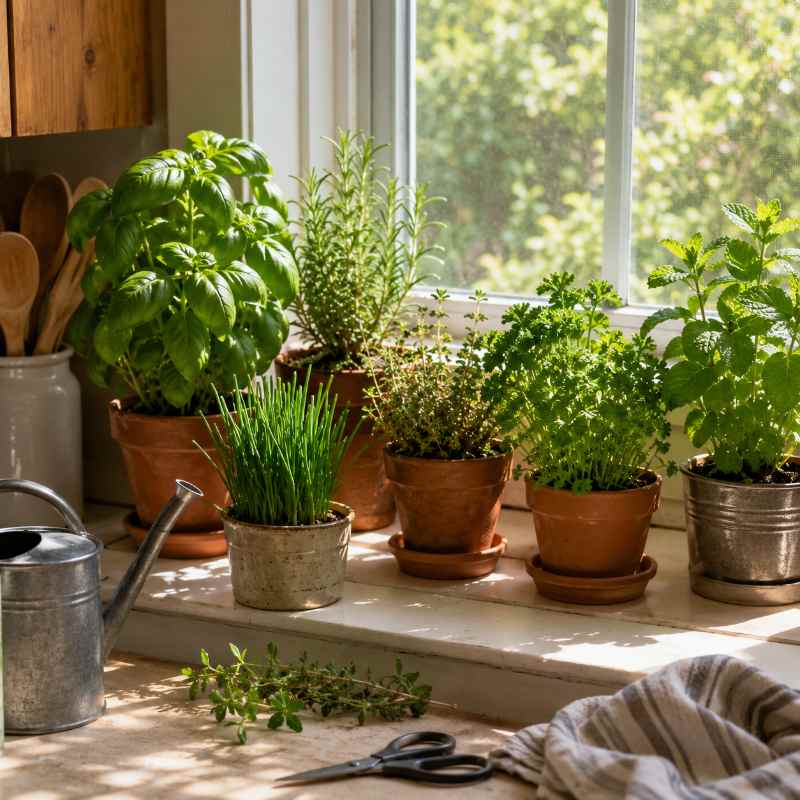
1. Start With Herbs On A Windowsill 🌿
Herbs are one of the easiest ways to begin homesteading because they do not need much space.
You can grow them:
- On a sunny windowsill
- In pots by the back door
- In hanging baskets
- On a small patio
- In recycled containers
Good beginner herbs include:
- Basil
- Mint
- Parsley
- Chives
- Thyme
- Rosemary
- Coriander
Fresh herbs make basic meals taste better, and they can save you from buying expensive little supermarket packets that often go slimy before you use them.
Mini homestead tip: Grow the herbs you already use. If you cook a lot of pasta, grow basil. If you like roasted potatoes, grow rosemary. If you use herbs in soups, grow parsley and thyme.
This keeps things useful, not just pretty.
2. Build A Practical Pantry 🫘
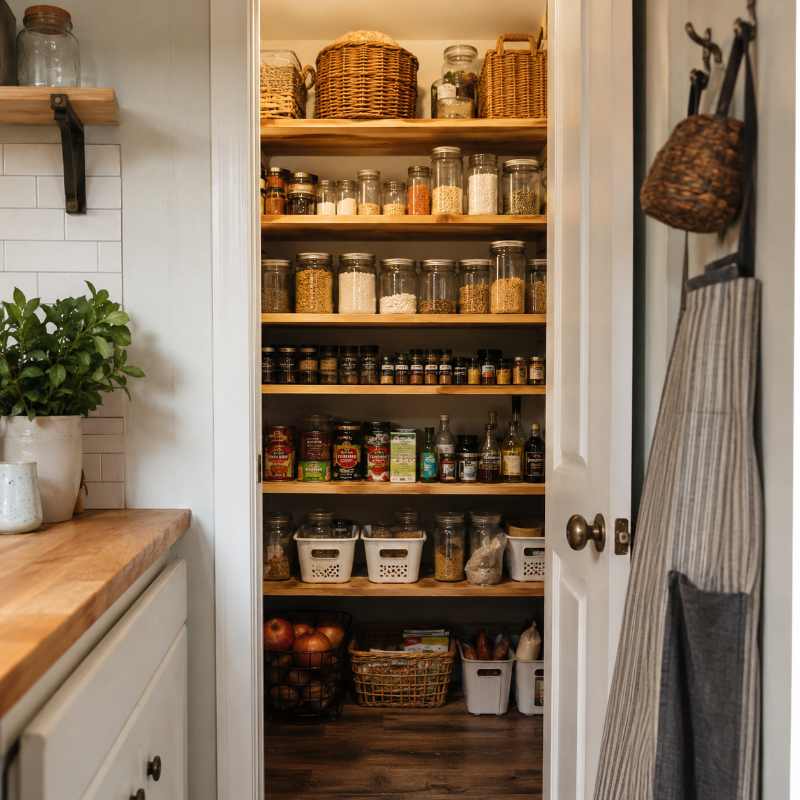
A good pantry is one of the strongest foundations of a mini homestead.
This does not mean panic buying or filling every cupboard with food you will never eat. It means slowly building a sensible store of ingredients that help you cook from scratch and avoid last-minute expensive shop runs.
Useful pantry basics include:
- Rice
- Pasta
- Oats
- Lentils
- Beans
- Flour
- Sugar
- Tinned tomatoes
- Tinned fish
- Stock cubes
- Herbs and spices
- Cooking oil
- Vinegar
- Long-life milk
- Tea and coffee
The goal is simple:
You should be able to make several basic meals without needing to go to the shop.
This saves money, reduces stress, and helps when prices rise or life gets busy.
Smart trick: Create a “one in, one spare” system. When you open your last bag of rice, add rice to your shopping list. That way you are never completely out.
3. Start Composting, Even In A Small Space ♻️
Composting is one of those homesteading habits that makes you feel instantly more connected to your home and garden.
Instead of throwing away food scraps, you turn them into something useful.
You can compost:
- Vegetable peelings
- Fruit scraps
- Tea bags, if plastic-free
- Coffee grounds
- Eggshells
- Cardboard
- Paper
- Dead leaves
- Small garden clippings
If you have a garden, a simple compost bin works well. If you only have a small outdoor space, look at compact compost bins or worm composting.
If you do not have outdoor space, you can still collect scraps for a local compost scheme if one is available in your area.
Avoid composting: cooked food, meat, dairy, oily foods, diseased plants, and pet waste from cats or dogs.
Composting helps reduce rubbish, improves soil, and supports future growing.
It is one of the easiest “waste into resource” skills you can learn.
4. Use A Washing Line More Often 👕
Line drying is one of the most underrated mini homestead habits.
It saves electricity, reduces wear on clothes, and gives laundry that fresh outdoor smell people pay for in scented products.
You do not need a huge garden. You can use:
- A rotary airer
- A wall-mounted washing line
- A clothes horse near an open window
- An over-bath airer
- A balcony drying rack
- A ceiling airer
Even if you only line dry half your laundry, it still adds up over time.
Little-known tip: Give clothes a strong shake before hanging them. It helps reduce wrinkles and makes them dry faster.
In winter, use indoor drying carefully. Keep windows slightly open when possible and avoid drying wet clothes in poorly ventilated rooms to reduce damp and condensation.
5. Batch Cook Like A Homesteader 🍲
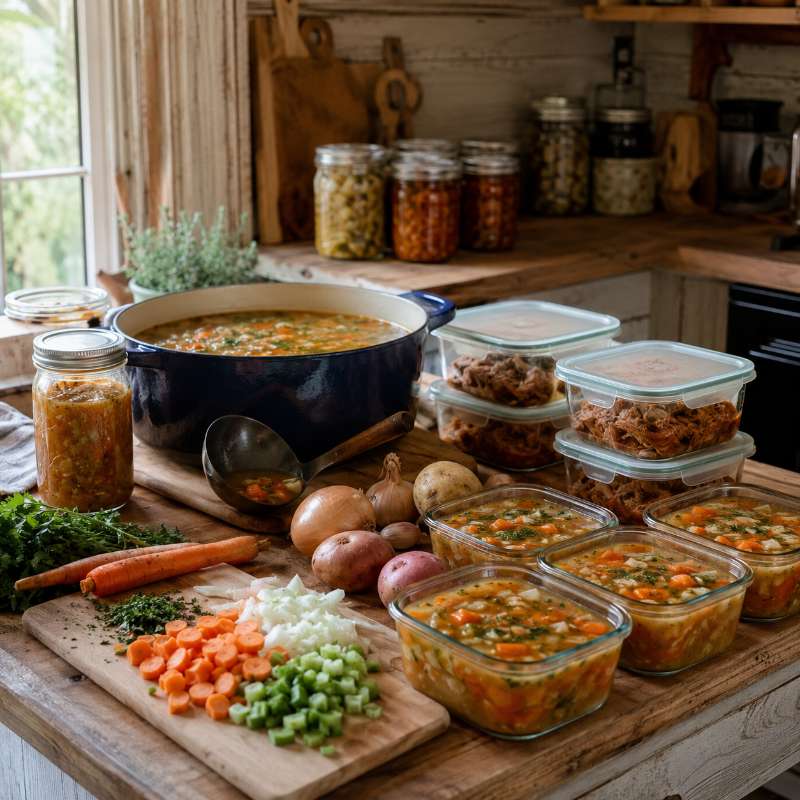
Batch cooking is one of the most powerful ways to make your home feel more self-sufficient.
Instead of cooking from scratch every single night, you cook once and create several meals.
Great batch cooking ideas include:
- Soup
- Chilli
- Stew
- Cottage pie filling
- Pasta sauce
- Curry
- Rice portions
- Breakfast muffins
- Slow cooker meals
Batch cooking helps you:
- Waste less food
- Save money
- Avoid takeaways
- Use pantry ingredients
- Make busy days easier
Homestead mindset: Cook once, eat twice, freeze once.
For example, if you are making chilli, double the recipe. Eat some that night, refrigerate some for lunch, and freeze the rest for another day.
That is not just cooking. That is building a home food system.
6. Learn Basic DIY Skills 🔧
You do not need to become a master builder to have a mini homestead. But learning basic DIY can save a lot of money and make you feel more capable.
Useful beginner DIY skills include:
- Fixing a dripping tap
- Filling small wall holes
- Replacing sealant
- Putting up shelves
- Painting properly
- Cleaning gutters safely
- Using a drill
- Repairing loose handles
- Fixing squeaky doors
Start small. Watch, learn, practise, and build confidence.
The goal is not to do dangerous jobs yourself. Electrical work, gas work, roofing, and major plumbing should be handled by qualified professionals.
But basic home maintenance? That is a brilliant homesteading skill.
A home that is looked after costs less over time.
7. Try Simple Food Preserving 🫙
Preserving food is a classic homesteading skill, and you can start with very simple methods.
You do not need a huge harvest or a cupboard full of specialist equipment.
Beginner-friendly preserving ideas include:
- Freezing chopped herbs in ice cube trays
- Making fridge pickles
- Drying herbs
- Freezing berries
- Making jam
- Storing onions and potatoes correctly
- Dehydrating apple slices
- Making simple chutney
Preserving teaches you to think seasonally and waste less.
If you see reduced fruit at the supermarket, you can turn it into jam or freeze it for smoothies. If your herb plant grows too fast, dry some for winter. If you make too much soup, freeze it.
That is mini homesteading in real life.
8. Reuse Before You Buy 🧺
A mini homestead is not about buying lots of rustic-looking things. In fact, the most homesteading thing you can do is often use what you already have.
Before buying something new, ask:
- Can I reuse a jar?
- Can I mend it?
- Can I borrow it?
- Can I make it?
- Can I repurpose something?
- Can I find it second-hand?
Old jars can store dry goods. Cardboard can suppress weeds. Curtains can become cleaning cloths. Plastic tubs can become seed trays. Buckets can become planters.
This is where homesteading and frugal living meet beautifully.
A mini homestead should save money, not become another shopping habit.
9. Create A Small “Useful Home” Routine ✅
The easiest way to make mini homesteading stick is to turn it into tiny routines.
Try adding a few of these into your week:
- Monday: check pantry basics
- Tuesday: water herbs
- Wednesday: cook a double portion meal
- Thursday: hang laundry to dry
- Friday: use leftovers
- Saturday: do one small DIY or cleaning job
- Sunday: plan meals and compost scraps
Tiny routines create big results over time.
You do not need a perfect homestead day. You just need small habits that keep your home working better.
Why Starting A Mini Homestead Matters 🌎
Starting a mini homestead is not just about growing herbs or saving scraps. It changes the way you live.
Here is why it matters:
- You save money by wasting less and buying less
- You become more prepared for busy weeks or price rises
- You learn useful life skills
- You rely less on convenience
- You reduce household waste
- You eat more home-cooked food
- Your home becomes more productive
- You feel more in control
There is something powerful about opening your pantry, picking herbs from your windowsill, drying clothes for free, or fixing something yourself.
It reminds you that your home can do more than just be lived in.
It can support you.
Mistakes To Avoid When Starting A Mini Homestead
The biggest mistake is trying to do too much too fast.
Do not buy loads of equipment before you know what you will actually use. Do not plant 20 things if you have never kept basil alive. Do not fill your pantry with food your family refuses to eat.
Start with one area.
Maybe this month you focus on herbs.
Next month you build your pantry.
After that, you try composting.
Slow progress is still progress.
Also avoid comparing your home to picture-perfect homesteads online. A real mini homestead may have laundry hanging over a radiator, jars in a cupboard, compost in a small bin, and herbs on a messy kitchen windowsill.
That still counts.
Common Questions About Starting A Mini Homestead
Can I homestead if I do not have a garden?
Yes, absolutely. Start with windowsill herbs, pantry storage, batch cooking, line drying, basic DIY, and food preserving. Homesteading is about skills, not just land.
What should I start with first?
Start with something simple that saves money quickly. A small herb garden, pantry system, or batch cooking routine is a great first step.
Is mini homesteading expensive?
It does not have to be. In fact, it should help you save money. Use recycled containers, buy second-hand, reuse jars, and focus on skills before equipment.
Can I mini homestead in a rented house?
Yes. Choose renter-friendly options like pots, removable airers, indoor herbs, pantry storage, batch cooking, and small compost systems where allowed.
What food is easiest to preserve for beginners?
Herbs, berries, soup, sauces, and fridge pickles are great beginner options. Freezing is often the easiest preserving method to start with.
Do I need chickens or livestock?
No. Chickens are lovely, but they are not required. A mini homestead can be built entirely around food skills, home skills, growing small things, and reducing waste.
How much time does it take?
You can start with just 10 minutes a day. Water herbs, check leftovers, hang washing, or add scraps to compost. Small actions build the lifestyle.
Final Thoughts: Your Normal House Can Become A Mini Homestead
You do not need to wait for the perfect house, a bigger garden, more money, or a countryside dream.
You can start today.
Grow one pot of herbs.
Cook one extra meal for the freezer.
Save one jar.
Hang one load of washing outside.
Fix one small thing.
Start one pantry shelf.
That is how a mini homestead begins.
Not with acres.
Not with perfection.
Not with a huge lifestyle change.
But with simple, useful habits that make your home more practical, frugal, and self-reliant.
Your normal house has more homesteading potential than you think. 🌿🏡
What would you start with first: herbs, pantry storage, composting, preserving, or line drying?