 Home and Gardening Ideas At home and Gardening ideas we believe inspiring readers about homesteading, self sufficiency
10 Pollinator Plants – Bring Bees To Your Garden
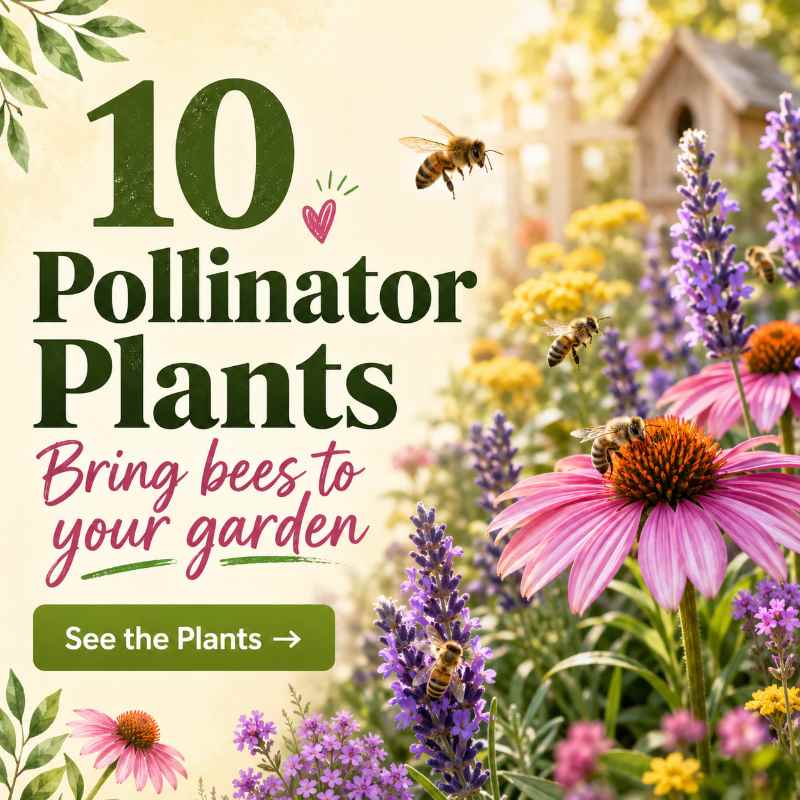
10 Pollinator Plants That Bring Bees To Your Garden 🐝🌸
A garden full of flowers is beautiful, but a garden buzzing with bees feels truly alive.
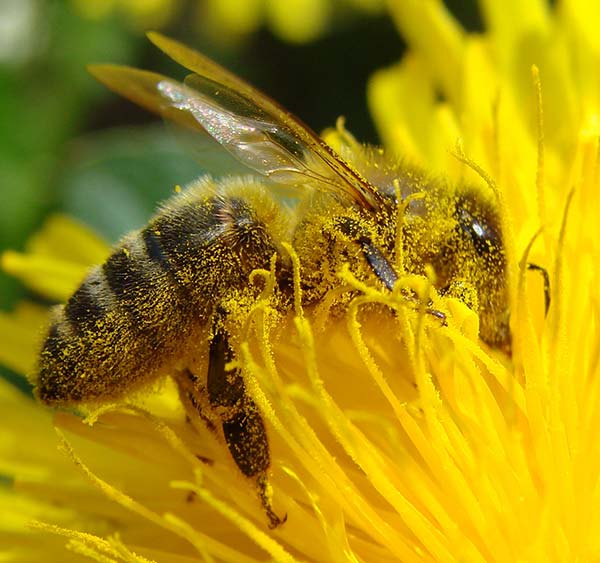
Bees, butterflies, hoverflies, moths, and other pollinating insects play an essential role in helping flowers, fruits, herbs, and vegetables reproduce. Without enough pollinators, plants such as courgettes, strawberries, apples, beans, cucumbers, and pumpkins may produce smaller harvests.
The good news is that you do not need a huge garden to help.
Even a few pots, hanging baskets, window boxes, or a small flower border can provide valuable food for visiting bees. By choosing plants that flower at different times of the year, you can create a garden that supports pollinators from early spring until autumn.
Here are 10 of the best pollinator plants to bring more bees into your garden.
1. Lavender
Lavender is one of the easiest and most reliable plants for attracting bees.
Its fragrant purple flower spikes are packed with nectar, and on a warm summer day, you may see several bees visiting the same plant at once.
Lavender prefers:
- Full sun
- Well-drained soil
- A sheltered position
- Light watering once established
It also grows well in containers, making it a brilliant choice for patios, balconies, and smaller gardens.
Avoid planting lavender in heavy, waterlogged soil because the roots can quickly rot.
2. Borage
Borage is sometimes known as the bee plant, and it certainly earns that name.
Its bright blue, star-shaped flowers are especially attractive to honeybees and bumblebees. Borage also has a long flowering season and can continue producing new blooms for several months.
It is incredibly easy to grow from seed and will often self-seed around the garden.
Plant borage close to:
- Tomatoes
- Strawberries
- Courgettes
- Fruit bushes
- Vegetable beds
It can grow quite large, so give it enough space or grow it near the back of a border.
3. Sunflowers
Sunflowers are cheerful, dramatic, and excellent for wildlife.
The large flower heads provide pollen and nectar for bees, while the seeds later become a valuable food source for garden birds.
You do not need to grow giant sunflowers. There are plenty of smaller and branching varieties that work well in pots and compact gardens.
Choose single-flowered sunflowers where possible. Bees can usually reach the pollen more easily than they can with heavily petalled varieties.
Grow sunflowers in a sunny spot and protect young plants from slugs and snails.
4. Foxgloves
Foxgloves are particularly popular with bumblebees.
Their tall, bell-shaped flowers are perfectly designed for larger bees, which crawl deep inside the blooms to reach the nectar. Watching a bumblebee disappear into one flower and emerge from another is one of the simple joys of a wildlife garden.
Foxgloves grow well in:
- Partial shade
- Woodland-style gardens
- Cottage garden borders
- Areas beneath trees
They are usually biennial, producing leaves in the first year and flowers in the second.
Important: Foxgloves are toxic if eaten, so place them carefully if you have young children or pets.
5. Catmint
Catmint produces masses of soft purple-blue flowers that bees absolutely love.
It is easy to grow, drought tolerant once established, and flowers for a long period. Cutting it back after the first flush of flowers can encourage a second display later in the season.
Catmint works beautifully along paths, around roses, or at the front of sunny borders.
It is also a useful alternative to lavender in areas where lavender struggles.
As the name suggests, some cats may roll around in it, although many garden varieties are less attractive to cats than true catnip.
6. Marjoram
Marjoram, also known as oregano, is one of the best herbs you can grow for pollinators.
When allowed to flower, it produces clusters of tiny blooms that attract bees, hoverflies, and butterflies.
It is also useful in the kitchen, so you get both a culinary herb and a wildlife-friendly plant.
Marjoram prefers:
- Plenty of sunshine
- Free-draining soil
- A warm position
- Occasional trimming
Try growing several herbs together in a pollinator pot. Marjoram, thyme, chives, rosemary, and lavender can create a wonderfully fragrant feeding station for insects.
7. Comfrey
Comfrey is a hardworking garden plant with nectar-rich flowers that are especially popular with bumblebees.
Its tubular flowers appear in clusters and can bloom over a long period. Comfrey also has deep roots that gather nutrients from lower levels of the soil.
Gardeners often use its leaves to make:
- Homemade liquid plant feed
- Compost activator
- Mulch around plants
- A nutrient-rich addition to compost piles
Comfrey can spread vigorously, so choose its position carefully. A sterile variety such as Bocking 14 is often preferred because it does not spread easily from seed.
8. Cosmos
Cosmos is a beautiful annual flower that produces delicate, daisy-like blooms throughout summer and into autumn.
Its open flower shape makes it easy for bees, butterflies, and hoverflies to reach the pollen and nectar.
Cosmos grows quickly from seed and looks wonderful in:
- Cottage garden borders
- Large containers
- Cutting gardens
- Gaps in vegetable beds
Regularly removing faded flowers will encourage the plant to produce more blooms.
Avoid feeding cosmos too heavily. Rich soil can create lots of leafy growth but fewer flowers.
9. Sedum
Sedum, particularly autumn-flowering varieties, provides an important late-season source of nectar.
By late summer and early autumn, many other flowers have started to fade. Sedum opens clusters of tiny pink, red, or white flowers just when pollinators need extra food before colder weather arrives.
It is low maintenance, drought tolerant, and suitable for:
- Sunny borders
- Gravel gardens
- Containers
- Dry areas
- Wildlife gardens
Leave the dried flower heads in place over winter. They add structure to the garden and may provide shelter for small insects.
10. Crocus
Crocuses are one of the most useful early flowers for bees.
On mild late-winter or early-spring days, queen bumblebees may emerge from hibernation needing an immediate source of food. Crocus flowers provide valuable pollen and nectar at a time when very little else is blooming.
Plant crocus bulbs in autumn in:
- Lawns
- Containers
- Flower beds
- Beneath trees
- Along pathways
Plant them in groups rather than individually to create a more noticeable feeding area for pollinators.
Avoid mowing crocus leaves immediately after flowering. Allow the foliage to die back naturally so the bulbs can store energy for the following year.
How To Create A Bee-Friendly Garden
Planting the right flowers is a great start, but a few simple changes can make your garden even more welcoming.
Grow Flowers From Spring To Autumn
Try to avoid having all your plants flower at the same time.
A good pollinator garden might include:
- Crocus in early spring
- Foxgloves in late spring
- Lavender and borage in summer
- Sedum in autumn
This creates a continuous supply of food.
Choose Single Flowers
Double flowers may look impressive, but their extra petals can make it difficult for insects to reach the nectar and pollen.
Simple, open flowers are often better for pollinators.
Avoid Harmful Pesticides
Many insect sprays can harm beneficial insects as well as garden pests.
Use physical barriers, hand removal, companion planting, and wildlife-friendly pest control methods whenever possible.
Never spray flowering plants while bees are visiting them.
Provide Water
Pollinators need water, especially during hot weather.
Fill a shallow dish with water and add pebbles or stones that sit above the waterline. This gives bees a safe place to land without falling into deep water.
Refresh the water regularly.
Leave A Few Wild Areas
A perfectly tidy garden is not always the best garden for wildlife.
Leaving a small patch of long grass, hollow stems, fallen leaves, or bare soil can provide nesting and sheltering areas for insects.
Even one quiet corner can make a difference.
Final Thoughts
You do not need acres of land to create a pollinator-friendly garden.
A few pots of lavender, marjoram, cosmos, and crocus can provide food across several seasons. Larger gardens can add borage, comfrey, foxgloves, sunflowers, and sedum to create a rich mixture of colours, shapes, and flowering times.
The more variety you grow, the more types of pollinators you are likely to attract.
Plant a few bee-friendly flowers this year, avoid unnecessary pesticides, provide a little water, and you may soon notice your garden becoming busier, healthier, and more productive. 🐝
Frequently Asked Questions
What is the best plant for attracting bees?
Lavender is one of the best all-round plants because it is easy to grow, flowers for several weeks, and produces plenty of nectar.
Can I attract bees to a small balcony?
Yes. Grow pollinator-friendly plants such as lavender, marjoram, thyme, cosmos, and dwarf sunflowers in containers or window boxes.
Which flowers help bees in early spring?
Crocus, snowdrops, hellebores, lungwort, and early-flowering heathers can provide important food during early spring.
Which plants help bees in autumn?
Sedum, ivy, asters, marjoram, and late-flowering salvias can provide nectar later in the year.
Should I buy a bee hotel?
Bee hotels can help some solitary bee species, but they must be kept dry, cleaned or replaced when necessary, and positioned in a sunny, sheltered location.
Are all flowers good for bees?
No. Some highly bred flowers contain little nectar, while double flowers may make pollen difficult to reach. Choose simple, open, nectar-rich flowers where possible.





One comment
Pingback: Here’s The Buzz: 16 Plants That Benefit Bees