 Home and Gardening Ideas At home and Gardening ideas we believe inspiring readers about homesteading, self sufficiency
Guide To Growing a Fall Vegetable Garden
With summer winding down, many people think that the time to reap fresh vegetables from home gardens may be winding down along with it. Savvy gardeners know, however, that there is still time to sow and grow some of the tastiest vegetables you will have all year! In fact, investing a little extra time and energy now can guarantee that you will have fresh vegetables to harvest long after the first frost has terminated your tomatoes and blackened your beans.
In warmer climates, there is still time to grow the best broccoli, cauliflower, and cabbage of the season while in cooler climates, it is prime time to plant carrots, rutabagas, radishes, and many superb salad greens. Following is a quick guide to gardening through the end of summer and into the months of fall.
Proper Planning
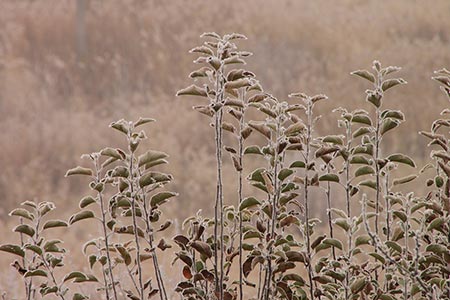
The key to a fantastic fall garden is getting the timing right, and planning the growth of your crops backwards from the time of your first expected frost. To do this you simply need to start with the average date of the first fall frost in your area, then look at the expected number of days to harvest the vegetables you wish to plant (generally available on seed packets). A good rule of thumb for fall vegetables is to add about two weeks to the given number as plants tend to grow a little more slowly in shorter fall days than those of spring and summer.
Get the Garden Ready
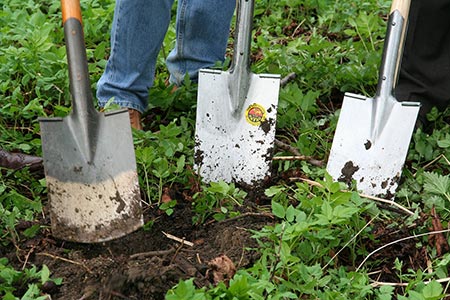
To make space for a fresh crop of fall plants, start by removing crops that are either past their prime or have succumbed to disease. Or, if there are crops that you have already been able to harvest fully, go ahead and take them out as well as any weeds that may compete with your new crops for resources like water and nutrients.
Working compost or other organic matter into the soil you will be planting in is also a good idea, as your early season efforts will likely have been mostly used up if you have fertilized and planted correctly.
Starting With Seeds
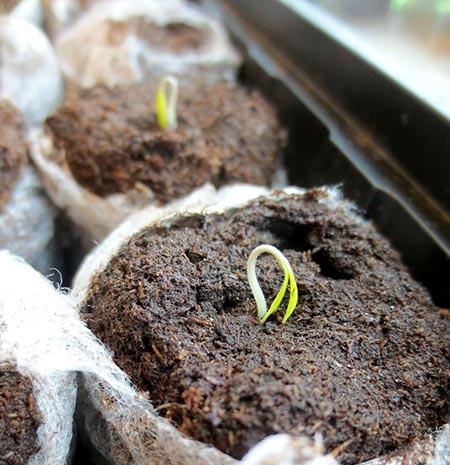
Most vegetables for your fall garden will need to come from seed, as most starter plants have long left local nurseries. If you’ve planned way ahead, you may have seedlings already established by indoor planting in mid to late summer, but if not, no need to fret. You will still have plenty of time to plant from seed with either leftovers from the spring or newly purchased seeds from the store. The nice thing about starting with new seeds this time of year is that you will likely be able to find a lot of seeds available at discounted prices from local garden centers at this point in the growing season. So not only will you still be able to harvest fresh vegetables, you could potentially do it for quite a bit cheaper than you would have been able to earlier in the year!
Starting with seed for fall plants is essentially the same as you would do in the spring. For best results, it’s recommended to use a high quality starter mix, and if recycling containers from the spring planting season, make sure the containers are thoroughly washed to avoid any diseases or foreign organisms that may be present.
If you live in an area where the weather is still rather hot, it may still be best at this point to start your seedlings indoors, as the residual heat of summer may make it difficult for them to establish themselves. If you start your seeds directly into the garden, the best method is to plant them a little deeper than you would typically do in the spring, as soil tends to be warmer and drier this time of year.
Tending Your Tender Seedlings
Planting toward the end of summer when the soil and air are still hot mean that you need to pay extra attention to watering your new plants. The general rule to keep everything well-watered is give plants about an inch of water a week, however, you will need to monitor soil conditions a little more carefully to maintain moisture.
Once seedlings and transplants are established in hot months, it is more beneficial to give them a deep watering at least once a week than it is to give them several lighter applications of water. This encourages better and deeper root growth which is particularly important if you are planting more root-based vegetables such as carrots and radishes.
At this point in the growing season you may also have to be extra mindful of pests and diseases that may already be present in your garden, so keep a close eye out for telltale holes or spots on plant foliage. To minimize any potential damage to your crops, deal with pesky pests and diseases ASAP.
Once the weather begins to cool, you will also need to pay a little more attention to the weather than you would in the spring growing season. To protect plants from frost, have an assortment of old sheets or blankets handy to protect plants from the first few nips of Jack Frost.
Quick Crops
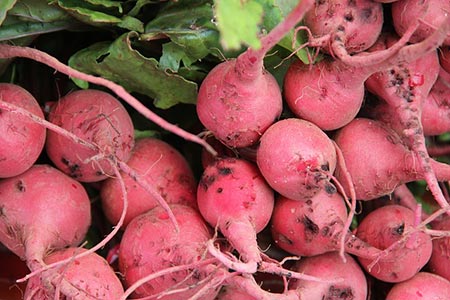
To maximize the effect of late-season gardening, the best way to guarantee positive results is to focus on crops that can go from seed to plate in 40 days or less. If sowing seeds in September, sprint-growth salad greens like arugula and spinach are no-brainers. Spicy mustard greens, turnips, and red radishes can also be ready to harvest in slightly more than a month.
If early frost and cold weather shortens your late growing season, feel free to harvest your cabbages and carrots a bit earlier than you normally would. While they may not have reached full maturity or size, they will still be very fresh and tasty when they hit the table. It’s also recommended to try a few vegetable plants that you may not normally plant, such as the Asian greens tatsoi and mizuna which can go from seed to salad in as little as three weeks under the right conditions.
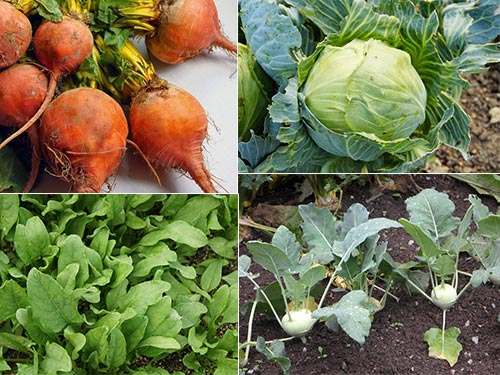
Depending on the growing zone you live in, you can get away with planting certain types of vegetables as late as October or November, as they can be resistant to, and even sweetly enhanced by light frost once established. Examples of these are green onions, beets, Chinese cabbage, broccoli, and cauliflower.
With cool-hardy salad veggies like spinach and kale, you should stop picking once freezing weather arrives. In fact, a blanket of snow or a protective plastic tunnel covering these plants over the dead of winter can keep these plants alive but dormant over the wicked winter and provide a quick flush of sweet leaves in early spring.
Quick Crop Guide
🌱 Quick Crops for a Late-Season Garden
You do not necessarily have to stop growing food when summer ends. In fact, some vegetables and salad crops actually prefer the cooler conditions of autumn.
If you are planting late in the season, one of the easiest ways to improve your chances of success is to concentrate on fast-growing crops that can be harvested while young.
⚡ Fast Crops to Grow in Cool Weather
When sowing in late summer or early autumn, leafy vegetables and small root crops are often your best bet. Many can be harvested as baby leaves or young roots rather than waiting for them to reach full size.
One of the fastest root crops and ideal for cool autumn conditions.
Fast-growing peppery leaves that are excellent for autumn salads.
Harvest young leaves quickly or protect hardy varieties for overwintering.
Loose-leaf varieties can be picked young instead of waiting for full heads.
A hardy oriental green that produces tender, mildly peppery leaves.
A cold-tolerant Asian green that can be harvested young for salads.
Quick-growing leaves with a spicy flavour that perform well in cool weather.
Also called mâche. A useful hardy salad crop for autumn and winter.
Young turnips can be harvested while small and tender, and the leaves are edible too.
❄️ Crops That Can Stand Through Cold Weather
There is another group of vegetables worth growing for winter. These are not necessarily quick crops, but once established they are capable of standing through surprisingly cold conditions.
Many of these vegetables need to be started in spring or summer so they are large enough before winter arrives.
- Kale
- Brussels sprouts
- Winter cabbage
- Leeks
- Parsnips
- Carrots
- Beetroot
- Turnips
- Swiss chard
- Sprouting broccoli
- Kohlrabi
- Winter onions
- Garlic
🥬 Hardy Winter Salad Crops
Winter does not have to mean giving up fresh salad leaves either. Several leafy vegetables tolerate cooler temperatures particularly well.
- Spinach
- Rocket
- Mizuna
- Mibuna
- Tatsoi
- Komatsuna
- Mustard greens
- Corn salad / mâche
- Land cress
- Winter lettuce
- Swiss chard
A simple cloche, cold frame, fleece covering or unheated greenhouse can make a considerable difference. Growth will slow dramatically as temperatures and daylight levels fall, but protection can help established plants survive until conditions improve.
📋 Quick Crop Guide
| Crop | Best Use | Cold Tolerance |
|---|---|---|
| Radish | Quick autumn harvest | Good |
| Spinach | Baby leaves / overwintering | Very good |
| Mizuna | Fast salad leaves | Very good |
| Rocket | Cut-and-come-again leaves | Good |
| Turnips | Young roots and leaves | Good |
| Kale | Winter harvesting | Excellent |
| Leeks | Standing winter crop | Excellent |
| Brussels Sprouts | Winter harvesting | Excellent |
| Winter Cabbage | Winter harvesting | Excellent |
| Swiss Chard | Leaves and stems | Good |
| Corn Salad | Winter salad leaves | Very good |
| Parsnips | Leave in ground for winter | Excellent |
🌨️ Give Winter Crops a Little Protection
Even cold-hardy vegetables appreciate some help when severe weather arrives. Try covering vulnerable crops with horticultural fleece, cloches, a cold frame or a simple plastic tunnel.
Growth may almost stop during the coldest and darkest part of winter. The aim is often to keep plants alive rather than force rapid growth. When daylight and temperatures increase again, many established plants will quickly begin producing fresh leaves.
🧺 What If You Grow Too Much?
A successful vegetable garden sometimes creates another problem: what do you do when everything seems to become ready at once?
There is no reason to let a plentiful harvest go to waste. Freezing, drying, canning, pickling and other preservation methods can help you enjoy homegrown food long after the growing season has finished.
Take a look at my guide: Ways to Preserve Your Fruit and Vegetable Harvest for simple ideas to help make the most of your harvest.
🌱 Remember
Your exact planting dates will depend on your climate, local frost dates and the variety you choose. Always check the seed packet for days to maturity and sowing recommendations. In colder areas, planting a little earlier and providing protection can make the difference between a small harvest and no harvest at all.
what’s a clever DIYer with a green thumb to do when they’ve been blessed with a plentiful harvest? There’s no way your conscious could let these delicious and nutritious goodies go to waste. Luckily, when it comes to preserving our hard-fought harvest of fruits and vegetables, there are a lot of great (and simple) options. Check out my other article called Ways to Preserve Your Fruit and Vegetable Harvest to read more on what to do with your fall harvest