 Home and Gardening Ideas At home and Gardening ideas we believe inspiring readers about homesteading, self sufficiency
How To Convert An Electric Water Heater To Run Off Solar
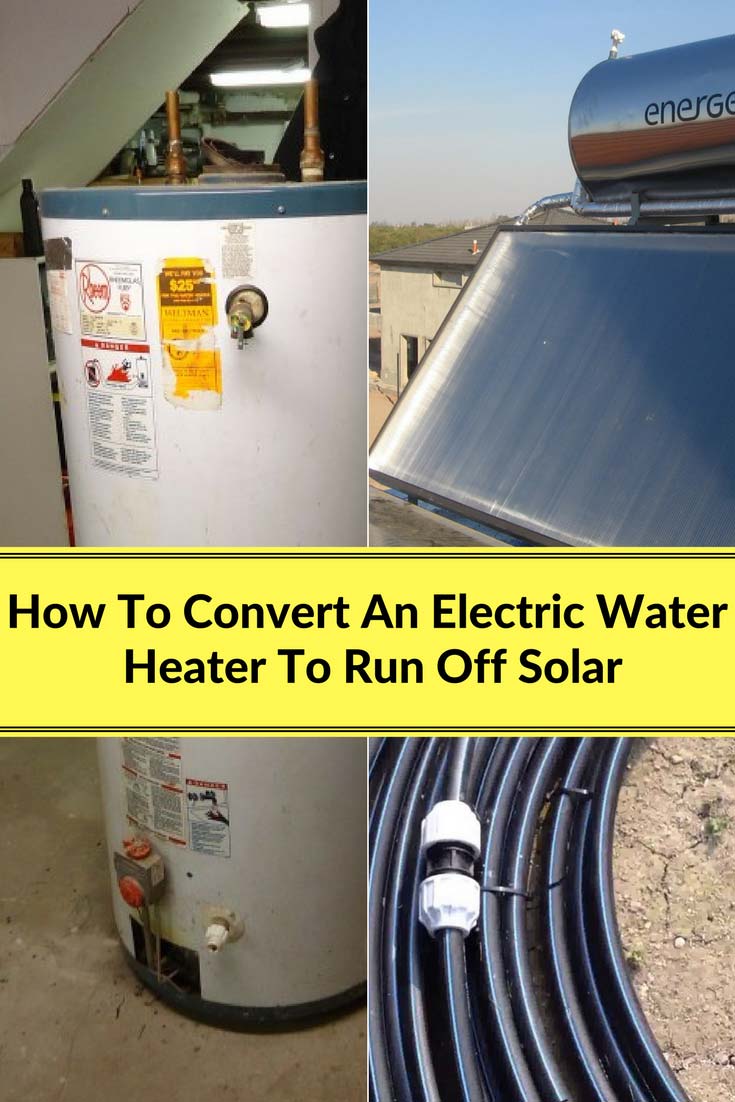
🔥 How To Convert An Electric Water Heater To Run Off Solar (And Slash Your Energy Bills)
⚡ Imagine This…
Your hot water is running…
Your electric meter isn’t.
Sounds like a dream, right?
With energy prices rising and more people looking for off-grid and frugal living solutions, converting your electric water heater to run on solar is one of the smartest upgrades you can make.
But here’s the truth most articles don’t tell you:
👉 You can’t just “hook up a solar panel” and be done with it
👉 And doing it wrong can be dangerous or ineffective
This guide breaks it down the right way… in simple terms anyone can follow.
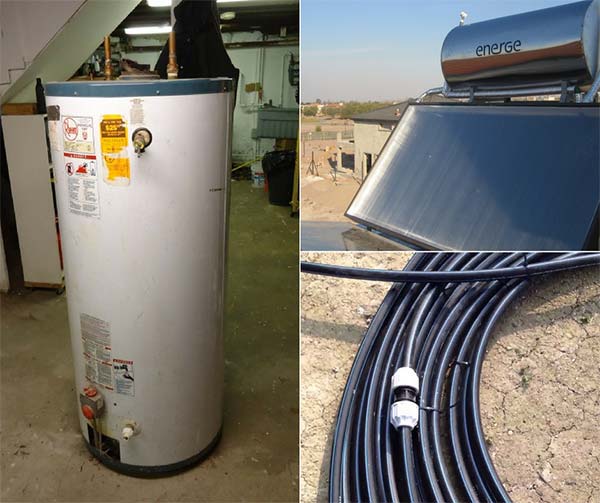
☀️ How Solar Water Heating Actually Works
Before jumping into the “how-to”, you need to understand this:
There are TWO completely different ways to run a water heater on solar:
1️⃣ Solar Thermal (BEST for most people)
- Uses the sun’s heat directly to warm water
- Uses panels called collectors
- Much more efficient (up to ~70%)
2️⃣ Solar Electric (PV Panels)
- Uses solar panels to create electricity
- Powers your existing immersion heater
- Less efficient but easier to retrofit
👉 Most DIY conversions use a hybrid approach (solar first, electric backup).
🔧 How To Convert Your Electric Water Heater (Step-by-Step)
🛠️ OPTION 1: Use Solar Panels To Power Your Existing Heater
This is the simplest upgrade and perfect for beginners.
What You Need:
- Solar panels (PV)
- Inverter (or direct DC setup)
- Optional: battery or smart diverter
Steps:
- Install solar panels in a sunny location
- Connect panels to an inverter (or direct heating element setup)
- Wire into your water heater’s immersion element
- Add a controller or relay to manage power flow
💡 Many people now turn their water heater into a “hot water battery”, using excess solar energy during the day
🔥 OPTION 2: Add a Solar Thermal System (BEST RESULTS)
This is the most efficient and long-term solution.
What Happens:
- Roof-mounted collectors heat fluid
- Heat is transferred into your water tank via coils
- Your electric heater becomes backup only
Steps:
- Install solar collectors (flat plate or vacuum tubes)
- Run pipes to your hot water cylinder
- Install a heat exchanger coil inside the tank
- Add a pump (for active systems)
- Keep your electric heater as backup
👉 These systems can provide:
- Up to 90% of hot water in summer
- Around 25–50% annually
⚠️ What Most People Get Wrong (Important!)
Let’s be honest… this is where DIY guides usually fail.
❌ Mistake 1: Undersizing the system
Heating water takes a LOT of energy.
❌ Mistake 2: Expecting 100% solar year-round
Winter = backup required.
❌ Mistake 3: Skipping safety controls
- Overheating risk
- Pressure buildup
- Electrical hazards
❌ Mistake 4: Ignoring tank compatibility
Not all cylinders are designed for solar coils.
👉 Many setups still rely on a backup immersion heater or boiler because solar alone isn’t consistent year-round
💡 Why This Upgrade Is Worth It
💰 Massive Savings
- Hot water = ~11% of your energy bill
- Solar can cut this dramatically
🌱 Eco-Friendly Living
- Uses renewable energy
- Reduces reliance on fossil fuels
🔋 Energy Independence
- Less affected by price spikes
- Works great for off-grid setups
🏡 Adds Value To Your Home
- Solar systems are highly desirable
🧠 Pro Tips (From People Who’ve Done It)
✔ Use a dual-element tank (top = backup, bottom = solar)
✔ Install panels facing south for maximum efficiency
✔ Insulate your tank and pipes properly
✔ Consider a smart diverter to use excess solar automatically
✔ Start small, then expand your system

❓ Frequently Asked Questions
1. Can I run a water heater entirely on solar?
Yes… but only in ideal conditions. Most systems still need backup.
2. Is solar thermal better than solar electric?
👉 Yes, for heating water.
Solar thermal is significantly more efficient.
3. Can I convert my existing tank?
Usually yes… but you may need:
- A new cylinder
- Or a retrofit heat exchanger
4. How much does it cost?
- DIY solar electric: £500–£2,000
- Full solar thermal system: ~£6,000 installed
5. Do I need planning permission?
Usually no, unless:
- Listed building
- Conservation area
🚀 Final Thoughts
If you’re serious about cutting bills, becoming more self-sufficient, and future-proofing your home, this is one of the smartest upgrades you can make.
But here’s the key takeaway:
👉 Don’t overcomplicate it
Start with:
- A simple solar panel setup
- Or a basic thermal system
Then build from there.
Because once you realise your hot water is basically FREE…
You’ll wonder why you didn’t do it sooner. 🔥☀️