 Home and Gardening Ideas At home and Gardening ideas we believe inspiring readers about homesteading, self sufficiency
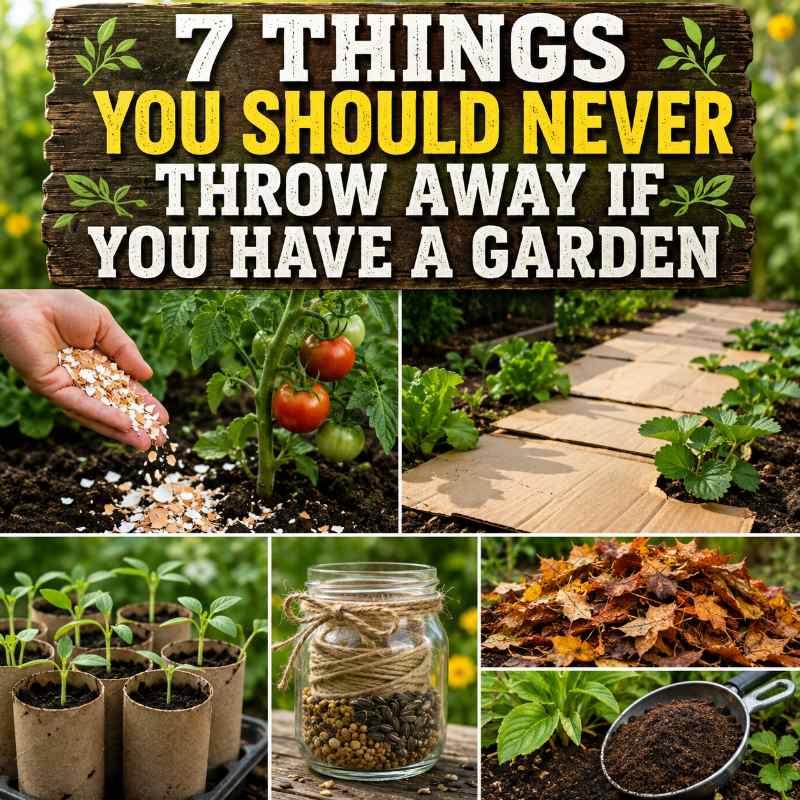
7 Things You Should Never Throw Away If You Have A Garden 🌱
Most people see rubbish
Gardeners see free compost, plant protection, seed starters, mulch, soil boosters, and clever money-saving tricks.
If you have a garden, there are certain things you should never throw away too quickly. Some of the best garden helpers are not bought from a garden centre. They are already in your kitchen bin, recycling box, shed, or garden waste pile.
With compost, plant pots, fertilisers, and garden supplies getting more expensive, learning what to reuse can save you money and help your garden thrive.
Here are 7 things you should never throw away if you have a garden and how to use them properly.
1. Eggshells 🥚
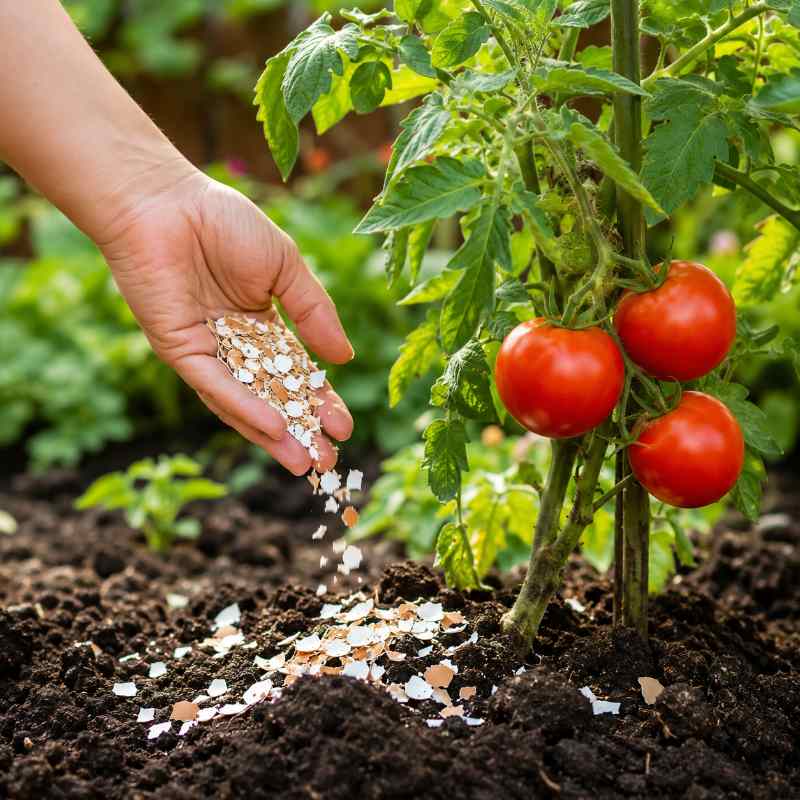
Eggshells are one of the easiest kitchen scraps to save for the garden.
They contain calcium, which slowly helps improve soil and supports healthy plant growth. Calcium is especially useful for plants like tomatoes, peppers, courgettes, and squash.
Eggshells will not fix soil problems overnight, but used regularly, they become a helpful long-term garden booster.
How To Use Them
Rinse your eggshells, let them dry, then crush them as finely as possible. The smaller the pieces, the faster they break down.
You can:
• Add them to compost
• Sprinkle them into planting holes
• Mix them around tomatoes and peppers
• Add small amounts to worm bins
• Blend them into a powder for faster breakdown
Some gardeners also sprinkle crushed eggshells around plants to deter slugs and snails. It is not a guaranteed fix, but it may help create a rough barrier they dislike crossing.
Best for: tomatoes, peppers, compost bins, worm farms, and general soil improvement.
2. Cardboard Boxes 📦
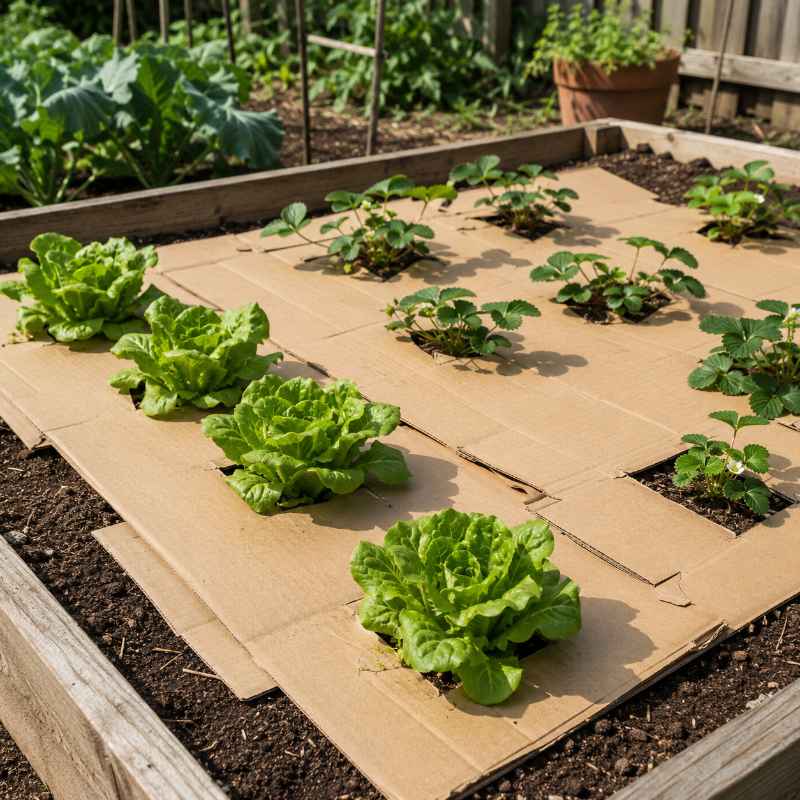
Plain brown cardboard is garden gold.
Before you toss it into recycling, think about your weeds. Cardboard is brilliant for no-dig beds, weed suppression, composting, and garden paths.
It blocks light from reaching weeds, breaks down over time, and feeds worms as it rots into the soil.
How To Use It
Remove any tape, plastic labels, staples, shiny coatings, or glossy printed sections. Plain brown cardboard is best.
Lay it over grass or weeds, soak it with water, then cover it with compost, soil, straw, leaves, or wood chips.
This is one of the cheapest ways to start a new growing bed without digging.
Why It Works
Cardboard helps:
• Smother weeds naturally
• Keep moisture in the soil
• Feed worms
• Reduce digging
• Build new beds cheaply
• Create simple garden paths
If you are starting a vegetable patch, cardboard can save you hours of work.
Best for: no-dig gardens, vegetable beds, pathways, mulching, and compost piles.
3. Coffee Grounds ☕
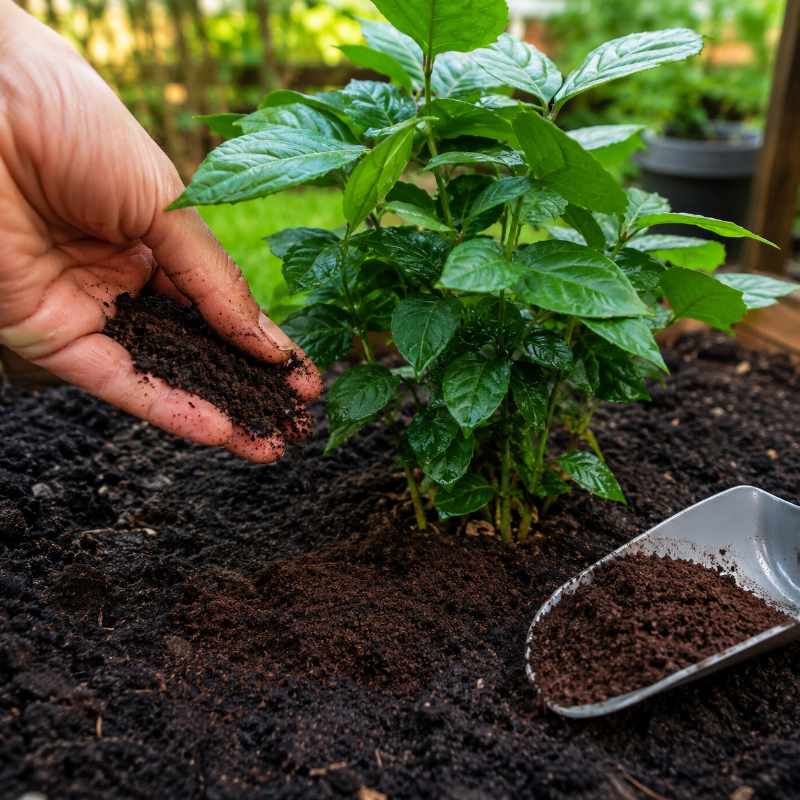
Used coffee grounds are another everyday item worth saving.
They contain small amounts of nitrogen and add organic matter to compost. Worms usually love them too, but the secret is to use them in moderation.
Too many coffee grounds can clump together and form a dense layer that water struggles to pass through.
How To Use Them
Add coffee grounds to your compost bin along with dry materials like cardboard, shredded paper, straw, or dry leaves.
You can also sprinkle a thin amount around plants and lightly mix it into the top layer of soil.
Avoid dumping thick wet piles around plant stems.
Good Uses For Coffee Grounds
• Add to compost
• Mix into leaf mould
• Sprinkle lightly around plants
• Feed worm bins in small amounts
• Mix into homemade potting blends sparingly
Coffee grounds are useful, but they are not magic. Treat them as one ingredient in a balanced garden system.
Best for: compost bins, worm farms, leafy greens, and improving soil texture.
4. Toilet Roll Tubes 🧻
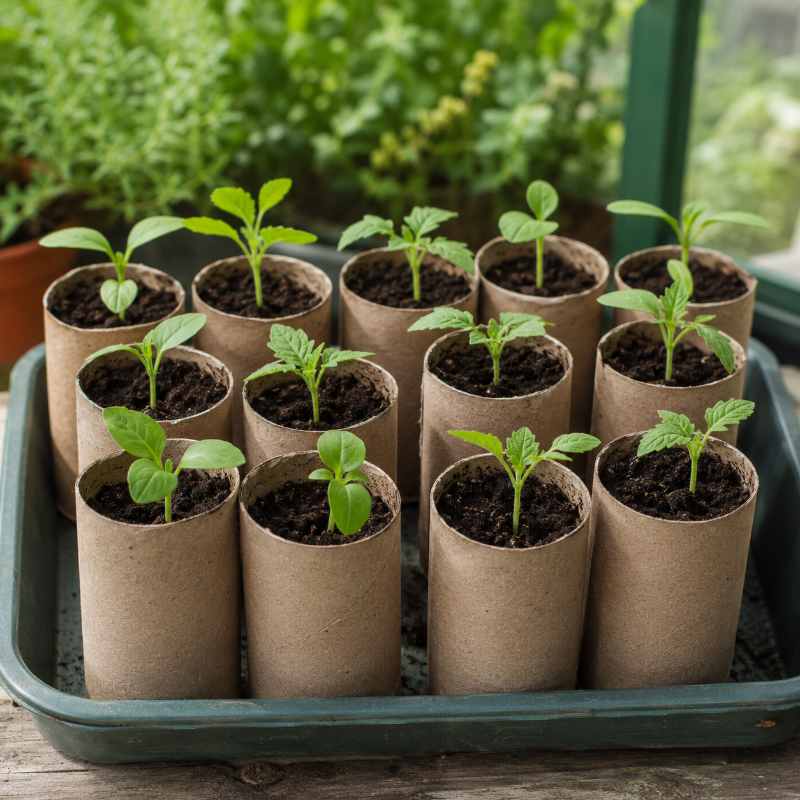
Toilet roll tubes are perfect for frugal seed starting.
Instead of buying plastic seed pots, save the cardboard tubes and turn them into biodegradable planters.
They are especially useful for plants that do not like root disturbance because the whole tube can be planted straight into the ground.
How To Use Them
Cut four small slits at one end of the tube and fold them in to make a base.
Fill the tube with seed compost, plant your seed, water gently, and place it in a tray.
When the seedling is ready to plant outside, place the whole tube into the soil. Make sure the cardboard is fully buried, because exposed cardboard can dry out and pull moisture away from the roots.
Great Seeds To Start In Tubes
• Beans
• Peas
• Sweet peas
• Sunflowers
• Pumpkins
• Courgettes
• Cucumbers
This is a simple, free way to reduce plastic and grow more plants for less money.
Best for: seed starting, children’s gardening projects, plastic-free growing, and budget gardening.
5. Grass Clippings 🌾
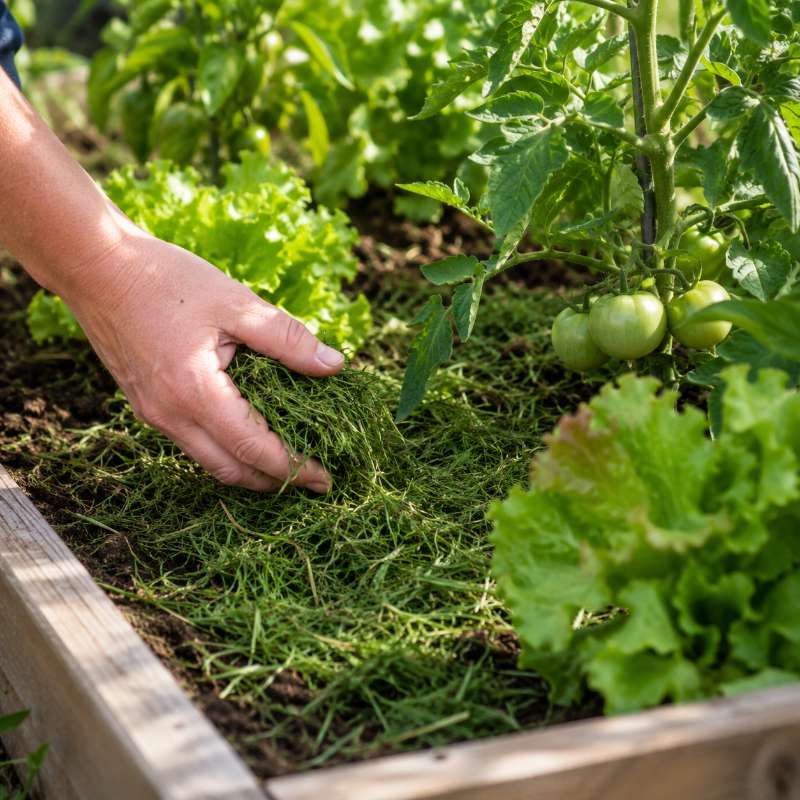
Grass clippings are often treated like waste, but they can be incredibly useful in the garden.
Fresh grass clippings are rich in nitrogen, which makes them excellent for compost. They can also be used as mulch when applied carefully.
The big mistake is piling them on too thick. Thick wet grass can turn slimy, smelly, and block air from the soil.
How To Use Grass Clippings
Use thin layers only. If possible, let them dry slightly first.
You can:
• Add them to compost
• Use as a thin mulch around vegetables
• Mix with dry leaves or cardboard
• Place around fruit bushes
• Add to trenches before planting hungry crops
Grass clippings help hold moisture in the soil, which is especially useful during hot weather.
Important Warning
Do not use grass clippings if your lawn has recently been treated with weedkiller or harsh chemicals. You do not want those chemicals going into your vegetable beds or compost.
Best for: compost bins, vegetable gardens, fruit bushes, and moisture retention.
6. Glass Jars 🫙
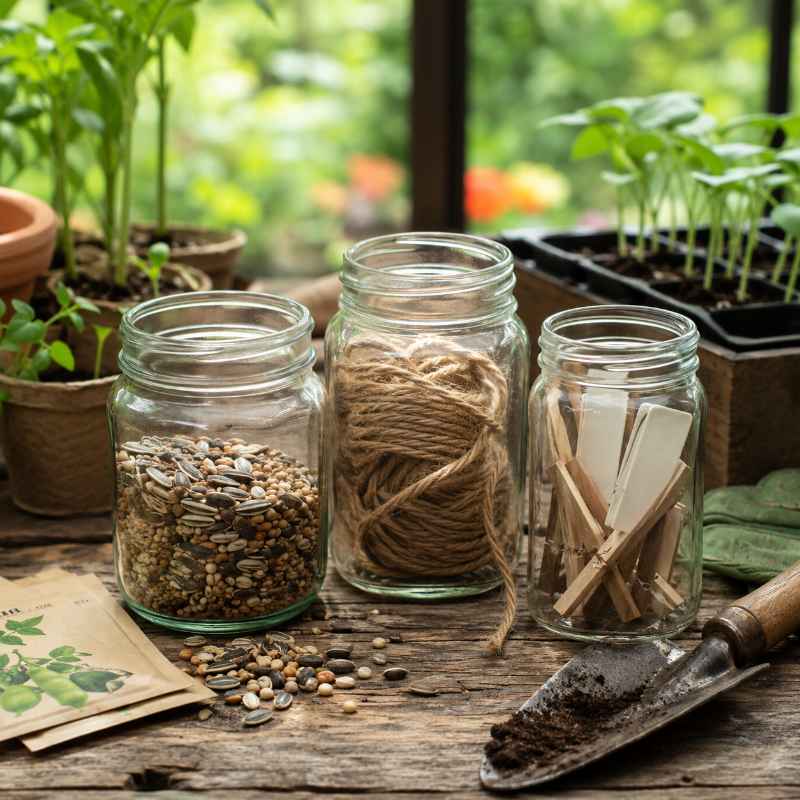
Glass jars are far too useful to throw away if you garden.
Old jam jars, pickle jars, sauce jars, and coffee jars can be reused in lots of clever ways. They are washable, sturdy, and perfect for organising small garden bits.
Ways To Use Glass Jars
Use them for:
• Storing saved seeds
• Keeping plant labels together
• Holding twine and clips
• Storing homemade liquid feed
• Organising shed screws and ties
• Protecting tiny seedlings as mini cloches
For seed storage, make sure the seeds are fully dry first. Add a label with the plant name and date saved.
Glass jars can also be placed over small seedlings on chilly nights, but remove them during warm sunny days because they can heat up quickly.
Best for: seed saving, shed organisation, mini cloches, and storing homemade garden mixes.
7. Fallen Leaves 🍂
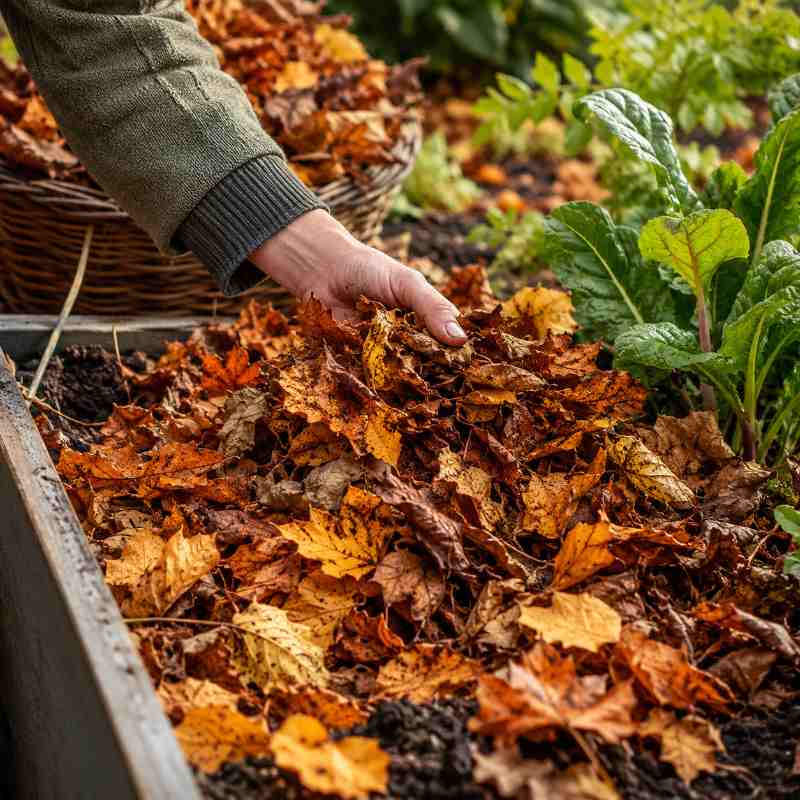
Fallen leaves are one of the best free garden resources you can get.
Instead of bagging them up and throwing them away, turn them into leaf mould. Leaf mould is a dark, crumbly soil conditioner that improves soil structure and helps the ground hold moisture.
It is not the same as compost. It breaks down more slowly, but the end result is fantastic for the garden.
How To Make Leaf Mould
Collect fallen leaves and put them into black bin bags, a wire cage, a compost bay, or a simple leaf pile.
If using bags, poke a few air holes in them and dampen the leaves slightly. Then leave them somewhere out of the way.
Over time, they break down into a beautiful earthy material.
How To Use Leaf Mould
Use it to:
• Mulch around plants
• Improve heavy soil
• Help sandy soil hold water
• Add to raised beds
• Mix into homemade potting blends
• Feed soil life naturally
Leaves are basically free soil improvement falling from the sky.
Best for: mulching, raised beds, soil improvement, vegetable beds, and moisture retention.
Why These “Rubbish” Items Are Worth Saving 🌿
A healthy garden needs organic matter, moisture, protection, soil life, and structure.
Many everyday items can help with those things naturally.
When you reuse garden-friendly waste, you can:
• Save money
• Reduce household rubbish
• Improve soil over time
• Use less plastic
• Feed worms and microbes
• Grow more for less
• Create a more self-sufficient garden
This is the kind of gardening our grandparents understood well. They reused, saved, repaired, composted, and wasted very little.
And honestly, a lot of those old habits still work.
Common Mistakes To Avoid ⚠️
Saving Too Much Stuff
It is easy to start keeping everything “just in case.” Only save what you will actually use.
Using Treated Materials
Avoid glossy cardboard, plastic-coated paper, painted wood, chemically treated grass clippings, or anything with unknown residue.
Piling Things Too Thickly
Grass clippings, coffee grounds, and leaves can cause problems if used in thick, wet layers. Mix them with other materials.
Expecting Instant Results
Natural gardening takes time. Eggshells, leaves, and cardboard work slowly, but they help build healthier soil over the long term.
Forgetting To Label Seeds
If you save seeds in jars, always label them. You may think you will remember, but by spring, everything looks the same.
Quick Save Or Toss Guide 🌱
Save These
• Eggshells
• Plain brown cardboard
• Coffee grounds
• Toilet roll tubes
• Untreated grass clippings
• Clean glass jars
• Fallen leaves
Avoid These
• Glossy cardboard
• Plastic-coated packaging
• Chemically treated lawn clippings
• Diseased plants
• Weeds full of seeds
• Oily food scraps
• Anything with strong chemical residue
FAQs
Can I put eggshells straight into the garden?
Yes, but they work better when dried and crushed finely. Large pieces take much longer to break down.
Are coffee grounds good for all plants?
Coffee grounds are best used in compost or thinly mixed into soil. Avoid piling them thickly around plants.
Can I use cardboard in vegetable beds?
Yes, plain brown cardboard is great for vegetable beds. Remove tape, labels, and glossy sections first.
Do toilet roll tubes really work as seed pots?
Yes. They are great for peas, beans, sunflowers, pumpkins, cucumbers, and courgettes.
Are grass clippings safe for the garden?
Yes, as long as the lawn has not been treated with weedkiller or chemicals. Use thin layers only.
How long does leaf mould take?
Leaf mould usually takes around one to two years, depending on the leaves and conditions. Shredded leaves break down faster.
Can glass jars protect seedlings?
Yes, they can work as mini cloches on cold nights. Remove them during sunny days so the plants do not overheat.
Final Thoughts 🌻
Before you throw something away, stop and ask:
Could this help my garden?
Eggshells can feed the soil. Cardboard can block weeds. Coffee grounds can boost compost. Toilet roll tubes can start seeds. Grass clippings can mulch beds. Glass jars can organise your shed. Fallen leaves can become beautiful leaf mould.
Your garden does not always need expensive products.
Sometimes it just needs the things you were about to throw away.
So next time you head for the bin, pause for a second. Your garden might have a better use for it. 🌱