 Home and Gardening Ideas At home and Gardening ideas we believe inspiring readers about homesteading, self sufficiency
7 All Natural Allergy Remedies
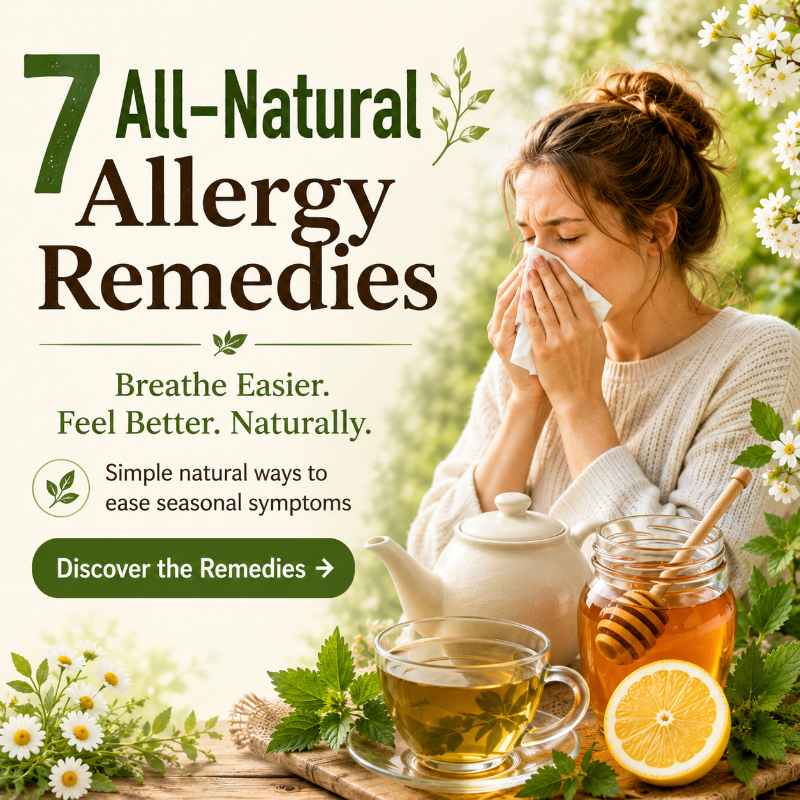
7 All-Natural Allergy Remedies To Help You Get Through Pollen Season
Spring and summer can be beautiful, but if pollen hits you hard, it can turn a lovely day in the garden into sneezing, itchy eyes, a blocked nose, and a scratchy throat.
The good news is that there are simple, natural ways to make allergy season easier. These remedies will not “cure” hay fever or replace proper treatment, but they may help reduce pollen exposure, soothe irritation, and support your body while allergy levels are high.
Important medical note: This article is for general information only and is not medical advice. Allergies can be serious, especially if you have asthma, breathing problems, severe reactions, or symptoms that keep getting worse. Speak to a doctor, pharmacist, or qualified healthcare professional before trying supplements, herbal remedies, or homemade treatments, especially for children, pregnancy, breastfeeding, existing health conditions, or if you take medication.
1. Rinse Away Pollen With A Saline Nasal Rinse
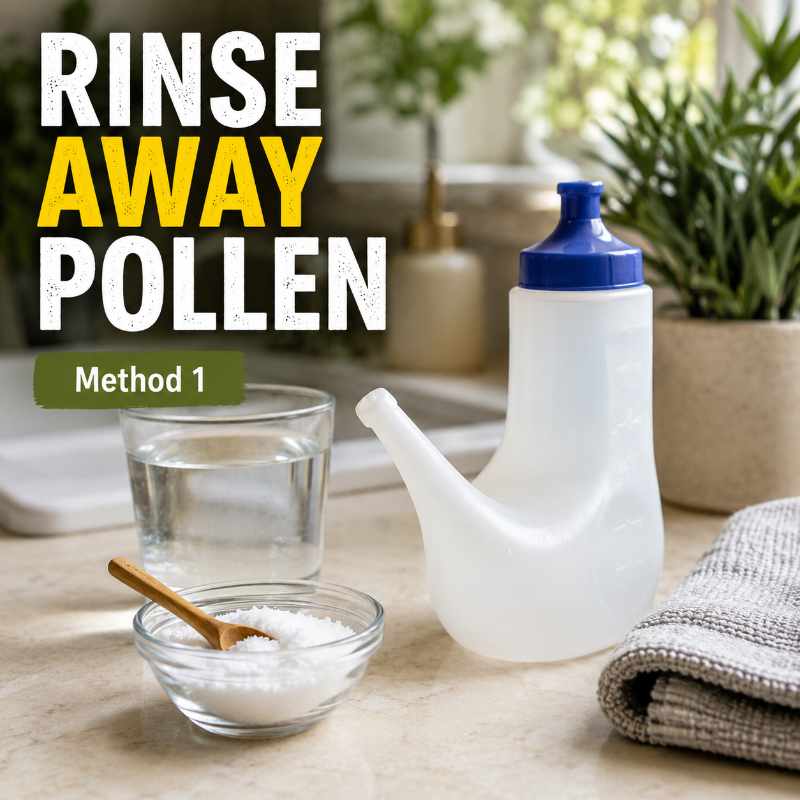
One of the most useful natural allergy remedies is also one of the simplest: a saline rinse.
A nasal rinse can help flush pollen, dust, mucus, and irritants from your nose. This can be especially helpful after gardening, mowing, walking outside, or sitting with the windows open on a high-pollen day.
You can use a neti pot, squeeze bottle, or a ready-made saline rinse kit.
Simple Saline Rinse Recipe
You will need:
- 1 cup sterile, distilled, or previously boiled and cooled water
- 1/4 teaspoon non-iodised salt
- A tiny pinch of baking soda
Mix until fully dissolved.
Only use sterile, distilled, or boiled and cooled water for nasal rinsing. Do not use plain tap water straight from the tap.
Use the rinse gently and follow the instructions for your neti pot or rinse bottle. Clean and dry the bottle properly after each use.
2. Keep A Saline Spray Handy
If a full nasal rinse feels like too much, a saline spray is a gentler option.
A simple saline spray can help moisten dry nasal passages and lightly clear pollen when you are out and about. It is easy to keep in your bag, car, gardening basket, or bedside drawer.
This is a good option for people who want something quick before bed, after being outside, or first thing in the morning.
Tip: A store-bought sterile saline spray is often the easiest and safest choice because it is already prepared and ready to use.
3. Shower, Change Clothes, And Keep Pollen Out Of The House
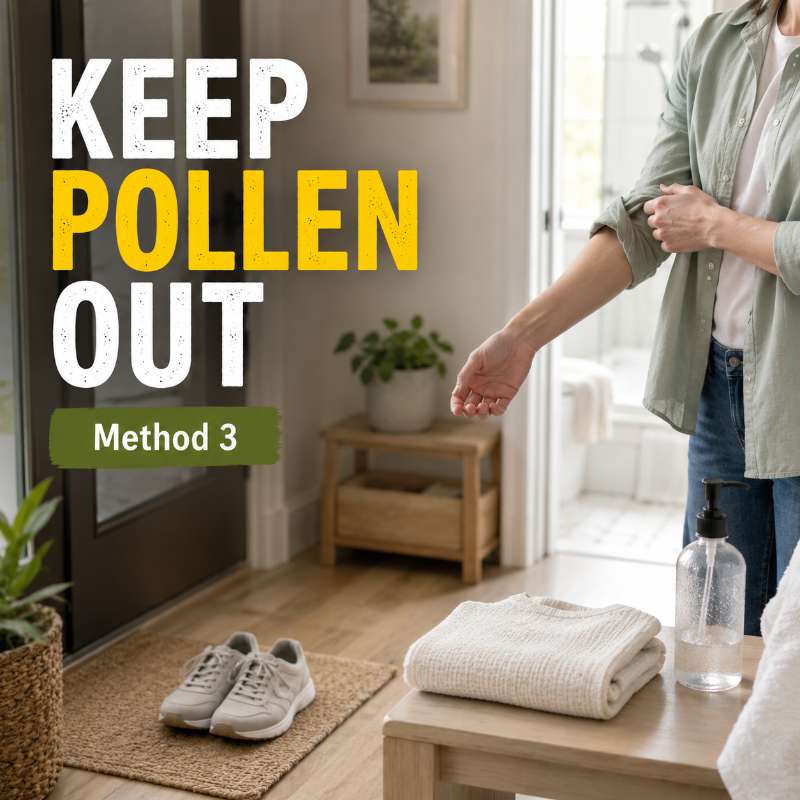
This is not glamorous, but it works.
Pollen sticks to your hair, clothes, skin, shoes, and even pets. If you have been outside on a high-pollen day, you can accidentally bring pollen indoors and then breathe it in all evening.
Try this simple pollen routine:
- Take shoes off near the door
- Change clothes after gardening or walking
- Shower or rinse your hair before bed
- Keep bedroom windows closed on high-pollen days
- Avoid drying washing outside when pollen is high
- Wipe pets down with a damp cloth if they have been outside
This is one of the easiest ways to reduce allergy triggers without buying anything.
4. Try Nettle Leaf Tea
Nettle leaf is a traditional herbal remedy that many people use during allergy season.
It is usually taken as a tea or supplement, but tea is the gentlest place to start for most people. Nettle has a green, earthy flavour and can be mixed with lemon or honey if you prefer a softer taste.
Simple Nettle Tea Recipe
You will need:
- 1 teaspoon dried nettle leaf
- 1 mug hot water
- Optional: lemon slice or a small spoon of honey
Pour hot water over the nettle leaf, cover, and steep for 5 to 10 minutes. Strain before drinking.
Safety note: Speak to a healthcare professional before using nettle if you are pregnant, breastfeeding, on blood thinners, taking blood pressure medication, taking diabetes medication, or have kidney problems.
5. Eat More Probiotic Foods
Allergies are connected to the immune system, and your gut plays an important role in overall immune health.
Probiotic foods will not stop a pollen allergy overnight, but adding fermented foods to your diet can be a simple way to support your body naturally.
Good probiotic foods include:
- Live yoghurt
- Kefir
- Sauerkraut
- Kimchi
- Kombucha
- Fermented vegetables
Easy Probiotic Breakfast Bowl
You will need:
- 1 bowl live yoghurt or kefir
- A handful of berries
- 1 tablespoon oats
- 1 teaspoon honey, optional
- A sprinkle of chia seeds, optional
Mix everything together and eat as a simple breakfast or snack.
Note: If you are sensitive to fermented foods, start small. Some people find fermented foods helpful, while others may feel bloated or uncomfortable.
6. Use Honey For Soothing, Not As A Cure

Local raw honey is one of the most popular old-fashioned allergy remedies, but it is important to be honest about it.
Many people swear by local honey, but it is not proven to cure hay fever or seasonal allergies. That does not mean it has no place in your kitchen. Honey can still be soothing in warm drinks, especially if your throat feels dry or scratchy from coughing, sneezing, or post-nasal drip.
Honey Lemon Comfort Drink
You will need:
- 1 mug warm water
- 1 teaspoon honey
- 1 slice lemon
- Optional: a thin slice of fresh ginger
Stir together and sip slowly.
Important: Do not give honey to babies under 1 year old. Anyone with a serious bee, pollen, or honey allergy should avoid it unless advised otherwise by a healthcare professional.
7. Clean The Air Indoors
Sometimes allergy symptoms feel worse inside the house because pollen, dust, pet dander, and mould spores build up indoors.
A few simple home changes can make a big difference:
- Vacuum regularly
- Dust with a damp cloth instead of dry dusting
- Wash bedding often
- Keep bedroom windows closed on high-pollen days
- Use a vacuum with a HEPA filter if possible
- Consider a HEPA air purifier for the bedroom
- Keep indoor humidity under control to discourage mould
If your allergies are worse at night, focus on the bedroom first. That is where you spend hours breathing the same air while you sleep.
What About Butterbur?
Butterbur is often mentioned as a natural allergy supplement, but it needs caution.
Some butterbur products may contain compounds that can harm the liver and cause other serious health risks. If someone chooses to use butterbur, it should only be a certified PA-free product and only after speaking with a healthcare professional.
For a general home remedy article, it is better to treat butterbur as a “doctor first” supplement rather than a casual kitchen remedy.
When Natural Remedies Are Not Enough
Natural remedies can be helpful, but they are not always enough.
Speak to a pharmacist or doctor if:
- Your symptoms are affecting your sleep
- Your eyes are very irritated
- Your nose is constantly blocked
- You are wheezing or short of breath
- You have asthma and allergy season makes it worse
- Over-the-counter remedies are not helping
- You are pregnant, breastfeeding, or treating a child
Get urgent medical help if you have signs of a serious allergic reaction, such as swelling of the lips, mouth, tongue or throat, trouble breathing, tightness in the throat, confusion, dizziness, or feeling faint.
Quick Allergy Season Checklist
Here is a simple daily routine to try when pollen is high:
- Check the pollen forecast
- Keep windows closed during high-pollen times
- Wear sunglasses outside
- Rinse your nose with saline after being outdoors
- Shower and change clothes after gardening
- Keep bedding clean
- Vacuum and damp dust often
- Run a HEPA air purifier in the bedroom if you have one
- Keep pets off the bed if they bring pollen indoors
Small habits can add up and make allergy season much easier to manage.
FAQs About Natural Allergy Remedies
Can natural remedies cure allergies?
No. Natural remedies may help reduce exposure to allergens or soothe symptoms, but they do not cure allergies. If your symptoms are severe or ongoing, speak to a healthcare professional.
Is a neti pot safe?
A neti pot or saline rinse can be safe when used correctly. Always use sterile, distilled, or boiled and cooled water. Clean the device properly after use.
Does local honey really help hay fever?
There is not strong evidence that local honey treats hay fever. It may soothe a scratchy throat in warm drinks, but it should not be relied on as an allergy treatment.
Are herbal remedies safe?
Not always. “Natural” does not automatically mean safe. Herbs and supplements can interact with medication or cause side effects. Always check first if you are pregnant, breastfeeding, treating a child, or taking medication.
What is the best natural allergy remedy to start with?
Start with reducing pollen exposure. Showering after being outside, changing clothes, keeping windows closed, using saline spray, and cleaning indoor air are simple and low-risk steps for many people.
Final Thoughts
Allergy season can make even the nicest weather feel exhausting, but a few simple habits can help.
Start with the basics: rinse away pollen, keep it out of your home, clean your bedroom air, and use gentle soothing drinks or foods when your throat feels irritated.
Natural remedies work best when they are used sensibly. They should support your allergy routine, not replace proper medical advice when symptoms are severe.
Medical Disclaimer: This article is for general information and educational purposes only. It is not intended to diagnose, treat, cure, or prevent any disease or medical condition. Always speak with a doctor, pharmacist, or qualified healthcare professional before trying supplements, herbal remedies, homemade treatments, or changing your allergy routine. Seek urgent medical help if you experience breathing difficulty, swelling of the lips, mouth, tongue or throat, chest tightness, faintness, confusion, or symptoms of a severe allergic reaction.