 Home and Gardening Ideas At home and Gardening ideas we believe inspiring readers about homesteading, self sufficiency
7 Benefits of Taking Cod Liver Oil Everyday
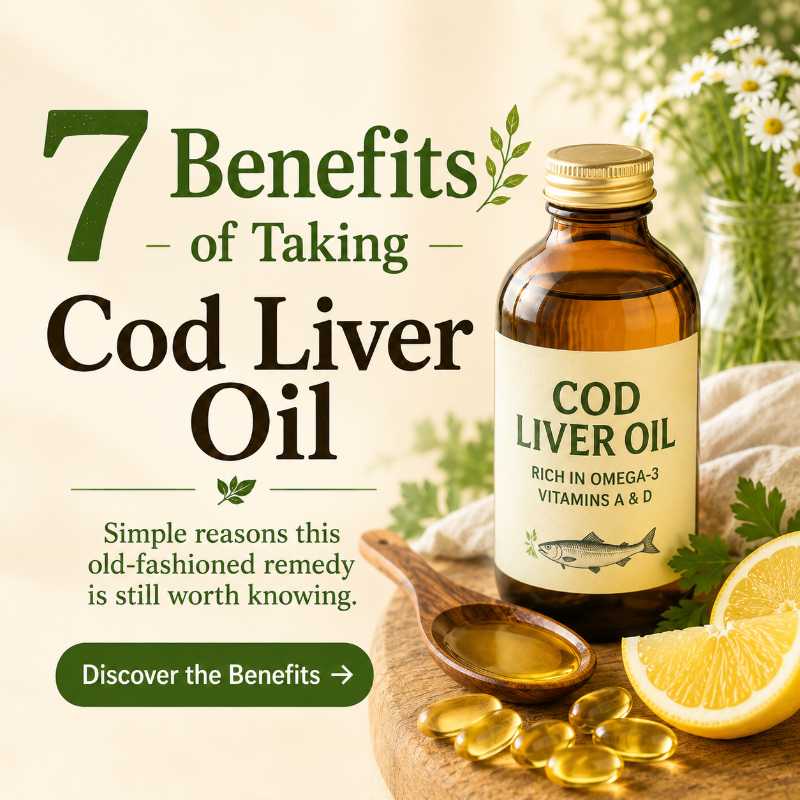
Cod liver oil is one of those old-fashioned health supplements that many people remember from childhood. For some, it brings back memories of grandparents swearing by it. For others, it brings back memories of holding their nose and hoping the spoonful would go down quickly!
But behind the old remedy is a supplement that contains three nutrients many people still pay attention to today: omega-3 fatty acids, vitamin D, and vitamin A.
That does not mean cod liver oil is a magic cure, and it is not something everyone should take without checking the label first. But when used sensibly, it may be a helpful daily supplement for some people, especially those who do not eat much oily fish.
Here are 7 possible benefits of taking cod liver oil every day, plus the important safety notes you should know before adding it to your routine.
1. It Is A Natural Source Of Omega-3 Fatty Acids
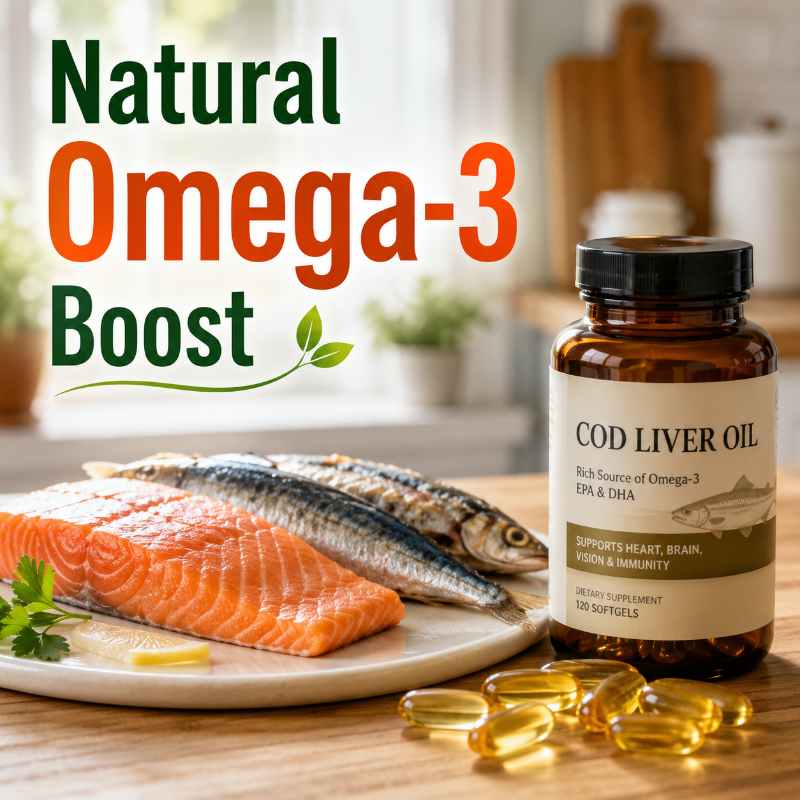
One of the main reasons people take cod liver oil is because it contains omega-3 fatty acids, especially EPA and DHA.
Omega-3s are important fats that help support normal body function. They play a role in cell membranes and are especially connected with heart, brain, and eye health.
Many people do not eat oily fish regularly, so cod liver oil can be one way to add more omega-3s into the diet. Oily fish such as salmon, sardines, mackerel, trout, and herring are also good food sources.
The key thing to remember is this: cod liver oil should support a balanced diet, not replace one.
2. It May Help Support Heart Health
Omega-3s are often linked with heart health, but this is where it is important not to overpromise.
Eating fish and seafood as part of a balanced diet is associated with better heart health, especially when it replaces less healthy foods. Omega-3 supplements may also help lower triglycerides, which are a type of fat found in the blood.
However, cod liver oil should not be described as a cure or guaranteed way to prevent heart disease. Anyone with heart disease, high triglycerides, or taking heart medication should speak to a doctor before using supplements regularly.
For most people, the best approach is still the simple one: eat a varied diet, move your body, avoid smoking, limit ultra-processed foods, and speak to a health professional if you have concerns.
3. It Can Help Top Up Vitamin D
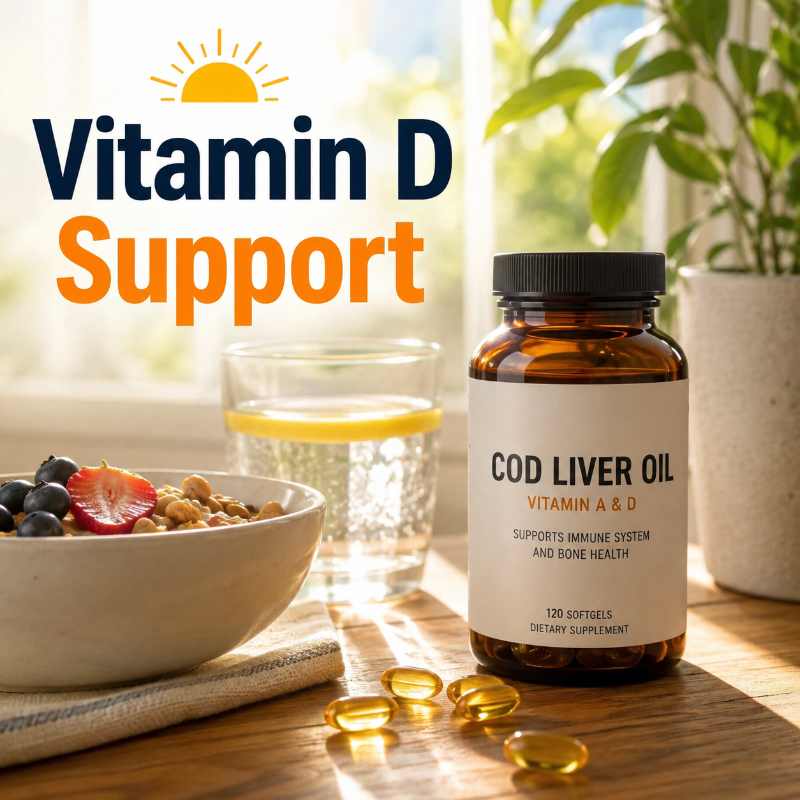
Cod liver oil naturally contains vitamin D, which is important for bones, teeth, muscles, and general health.
This is especially useful to mention for readers in places like the UK, where sunlight is weaker during the darker months. Many people are advised to consider vitamin D supplementation in autumn and winter because it can be difficult to get enough from sunlight and food alone.
That said, more is not always better. If someone is already taking a vitamin D supplement, multivitamin, or fortified product, they should check the label before adding cod liver oil as well.
Too much vitamin D over time can be harmful, so it is always worth checking the amount on the bottle.
4. It Contains Vitamin A, Which Supports Normal Health
Cod liver oil also contains vitamin A. Vitamin A helps support normal vision, immune function, and skin health.
This is one of the reasons cod liver oil became such a well-known traditional supplement. But vitamin A is also the nutrient that makes cod liver oil something you should treat carefully.
Unlike some vitamins, vitamin A can build up in the body. Taking too much over time may be harmful, especially if you already eat liver or take other supplements containing vitamin A.
So while vitamin A is useful, it is not something to take in large amounts “just in case.” Always check the supplement label.
5. It May Help With Joint Comfort

Many people take cod liver oil for stiff joints, and there is some research suggesting omega-3 fats may help support people with inflammatory joint conditions.
This does not mean cod liver oil will work like a painkiller, and it should not replace medication for arthritis or any diagnosed condition. But for some people, omega-3s may be a useful part of an overall joint-friendly lifestyle.
That lifestyle may also include gentle movement, maintaining a healthy weight, eating enough protein, staying hydrated, and following medical advice for any ongoing joint problems.
If you take anti-inflammatory medication, blood-thinning medication, or have a medical condition, speak to your doctor or pharmacist before taking cod liver oil daily.
6. It Supports Brain And Eye Health
DHA, one of the omega-3 fats found in cod liver oil, is found in high amounts in the brain and retina.
This is why omega-3s are often discussed in relation to brain and eye health. A sensible intake of omega-3-rich foods, or supplements where appropriate, may help support normal brain and eye function.
However, it is better to word this carefully. Cod liver oil should not be promoted as something that prevents dementia, reverses memory problems, or cures eye disease.
A better way to say it is:
Cod liver oil contains nutrients that support normal brain and eye health as part of a balanced diet.
That keeps the article helpful without making medical claims that go too far.
7. It Can Be An Easy Daily Habit For People Who Do Not Eat Much Oily Fish
Not everyone enjoys fish. Some people dislike the taste, some find it expensive, and others simply forget to include it in meals.
For those people, cod liver oil may be a simple way to add omega-3s, vitamin D, and vitamin A into a daily routine.
The easiest way to take it is usually with food, as this may help reduce the fishy aftertaste or stomach upset that some people notice.
Capsules are often easier for people who dislike the taste, while liquid cod liver oil may be cheaper per serving. Either way, the most important thing is to choose a reputable brand and follow the dosage instructions on the label.
Who Should Be Careful With Cod Liver Oil?
Cod liver oil is not suitable for everyone.
You should speak to a doctor, pharmacist, midwife, or qualified healthcare professional before taking cod liver oil if you:
- Are pregnant or trying to get pregnant
- Take blood-thinning medication such as warfarin
- Take heart medication
- Already take vitamin A or vitamin D supplements
- Eat liver or liver pâté regularly
- Have liver disease, kidney disease, or another long-term medical condition
- Are giving supplements to a child
Pregnant women should avoid cod liver oil because it contains vitamin A in the form of retinol, and too much vitamin A can harm a developing baby.
Possible Side Effects
Some people can get mild side effects from omega-3 or fish oil supplements. These may include:
- Fishy burps
- Bad aftertaste
- Heartburn
- Nausea
- Stomach discomfort
- Diarrhoea
Taking cod liver oil with a meal may help reduce these effects. If side effects continue, stop taking it and speak to a health professional.
How To Choose A Cod Liver Oil Supplement
When choosing cod liver oil, look for a product that clearly lists:
- The amount of omega-3 per serving
- The amount of vitamin A
- The amount of vitamin D
- The recommended daily dose
- Any added ingredients
Avoid doubling up with multivitamins unless you know the total amount of vitamin A and vitamin D you are getting.
Also remember that “stronger” is not always better. A sensible dose used consistently is usually a better idea than taking too much.
Final Thoughts
Cod liver oil has been used for generations, and it still has a place in many people’s supplement cupboards today.
Its main benefits come from the fact that it contains omega-3 fatty acids, vitamin D, and vitamin A. These nutrients may support heart health, bones, immune function, joints, brain health, and eye health when used as part of a balanced lifestyle.
But cod liver oil is not a cure-all, and it is not suitable for everyone. The safest approach is to check the label, avoid taking too much vitamin A or vitamin D, and speak to a doctor or pharmacist if you take medication or have any health concerns.
Medical Disclaimer
This article is for general information only and is not medical advice. Cod liver oil and other supplements may not be suitable for everyone. Always speak to your doctor, pharmacist, midwife, or qualified healthcare professional before starting a new supplement, especially if you are pregnant, trying to get pregnant, breastfeeding, taking medication, giving supplements to a child, or managing a medical condition. Never stop or replace prescribed medication with supplements unless advised by a qualified medical professional.